Flour Temperature After Repeated Grain Milling: Cooling Methods
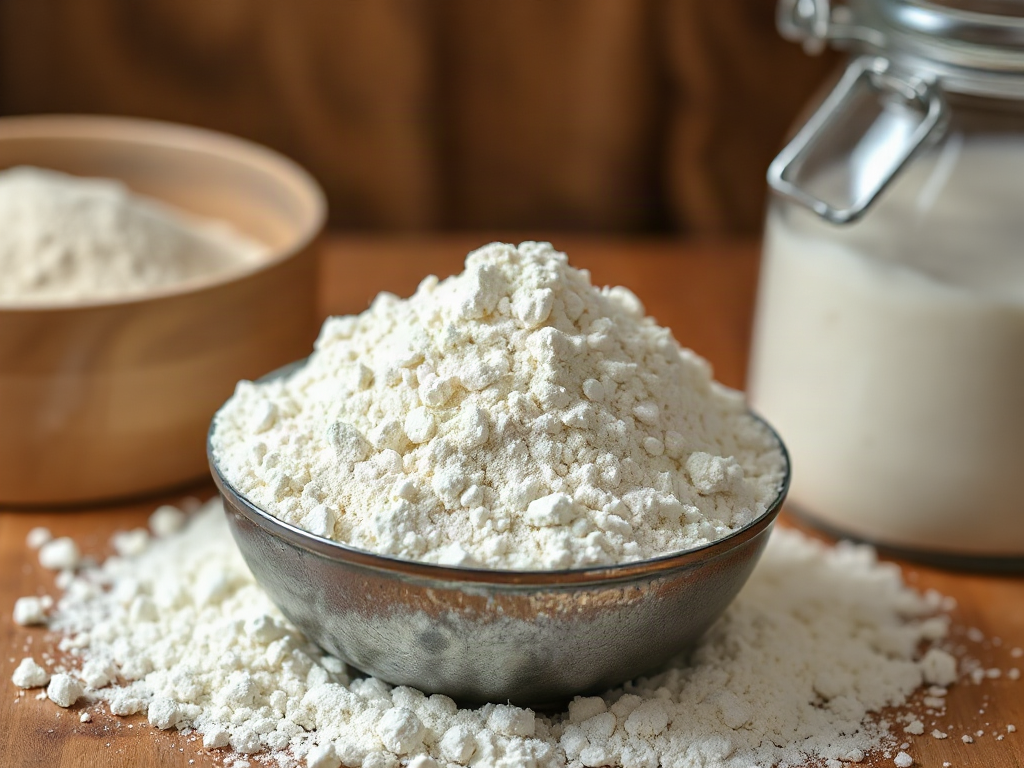
Flour temperature after repeated grain milling usually rises because the milling chamber retains heat while friction, restricted airflow, fine settings, and continuous motor operation add more energy during each batch. Measure the flour immediately at discharge, compare equal-sized batches, and pause when temperatures keep climbing rather than judging heat by touch alone.

Read More

Achieving Consistent Results in Grain Milling

Understanding the Essentials of Grain Milling The Importance of Quality Grain Selection First things first, let’s talk about how fundamental it is to start with quality grain. You wouldn’t build a house on a shaky foundation, would you? The same goes for milling. Picking the right grain, one that’s fresh and appropriate for your milling […]

Read More

The Ultimate Guide to Grain Milling in 2025: 7 Effective Strategies to Boost Yield

Is Stone Ground Flour Nutritionally Superior to Other Flours? Key Comparisons and Benefits

1. Invest in Advanced Milling Equipment 2. Optimize Raw Material Quality 3. Implement Precision Milling Techniques 4. Embrace Automation and Smart Technology 5. Train Your Workforce for Efficiency 6. Adopt Sustainable Milling Practices 7. Monitor and Analyze Operational Data 1. Invest in Advanced Milling Equipment Understanding Cutting-Edge Machines As we move into 2025, investing in […]

Read More