Stone Versus Burr Grain Mills for Home Flour Compared

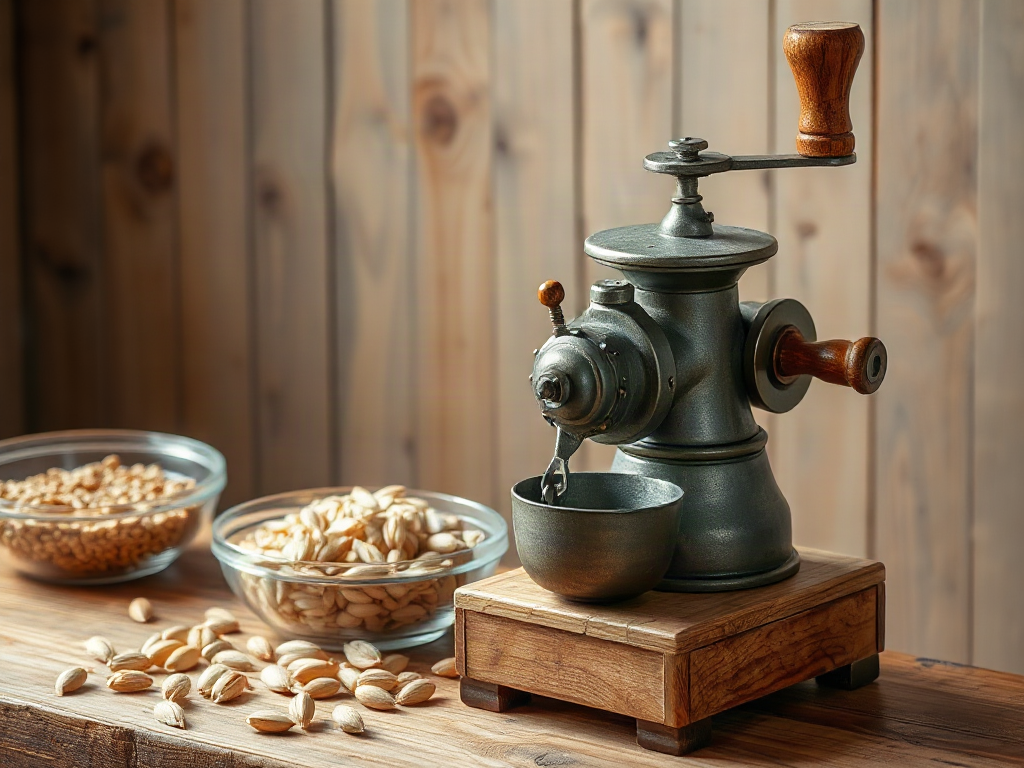
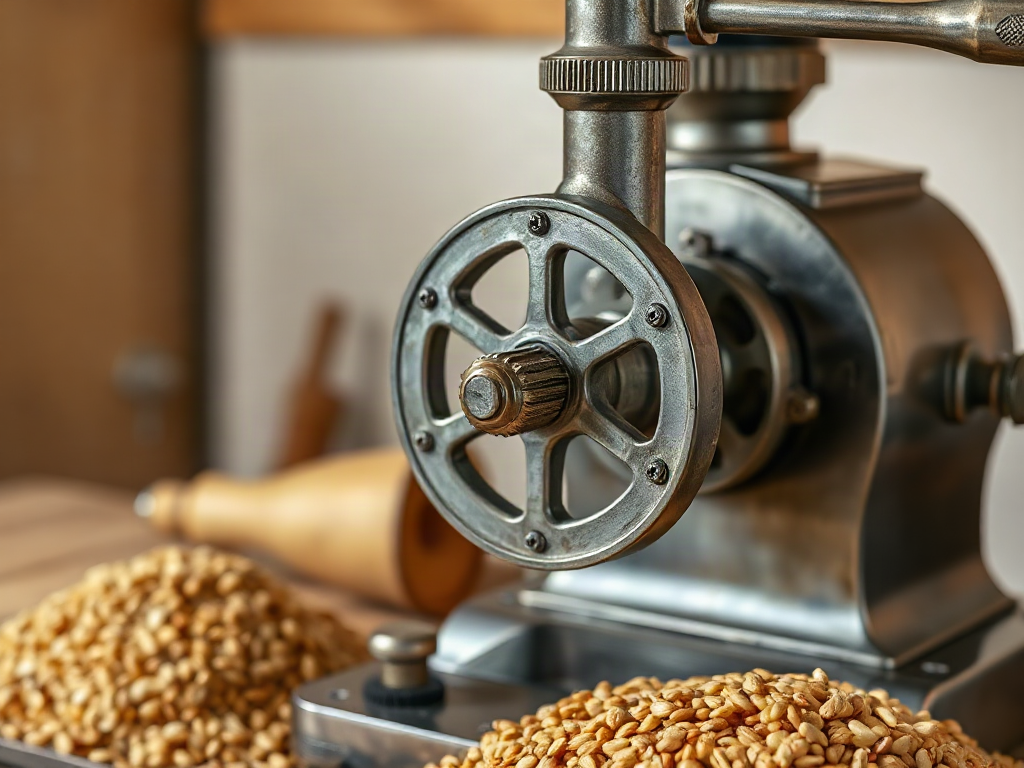
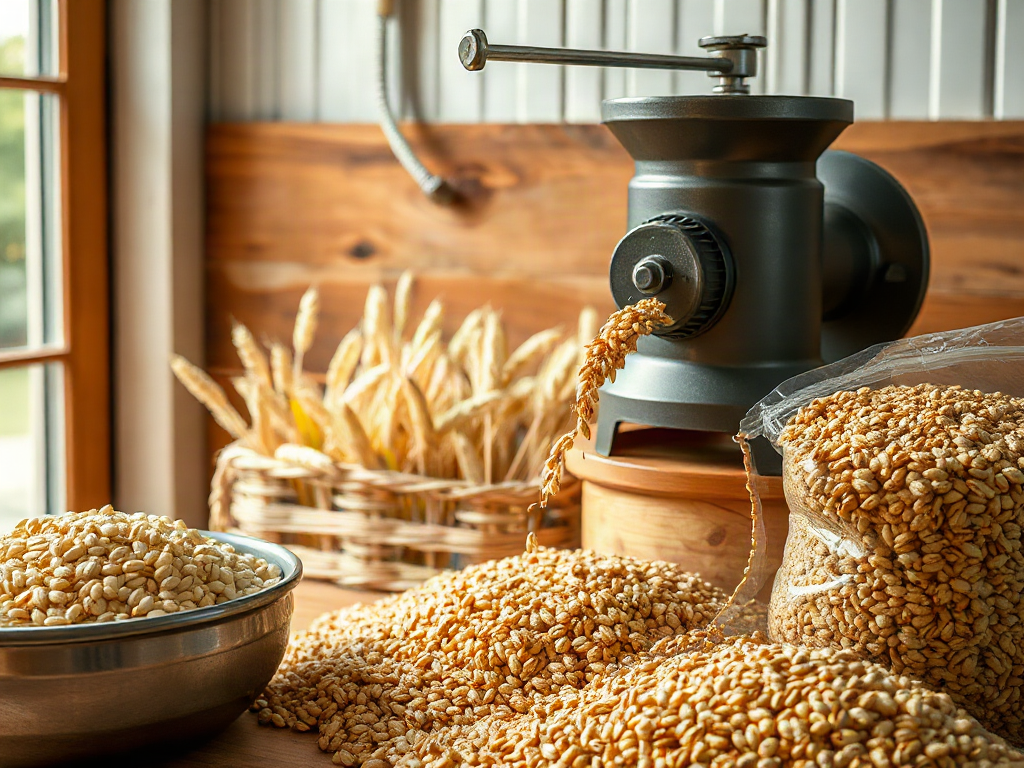
Stone versus burr grain mills for home flour is most usefully compared as stone versus metal burrs, because both designs grind grain between paired surfaces. Stone mills usually excel at producing consistently fine wheat and rye flour, while steel or cast-iron burr mills commonly offer broader texture control and better…

Read More

Grain Mill Reviews Focused on Flour Texture and Baking Uses

The most useful grain mill reviews focused on flour texture compare particle consistency, bran size, heat buildup, adjustment range, and performance in actual baking uses rather than relying on vague “fine flour” claims. Impact mills usually produce fine, uniform bread flour quickly, while stone and steel-burr mills offer broader texture…

Read More

Grain Mills for Countertops Compared by Size and Output

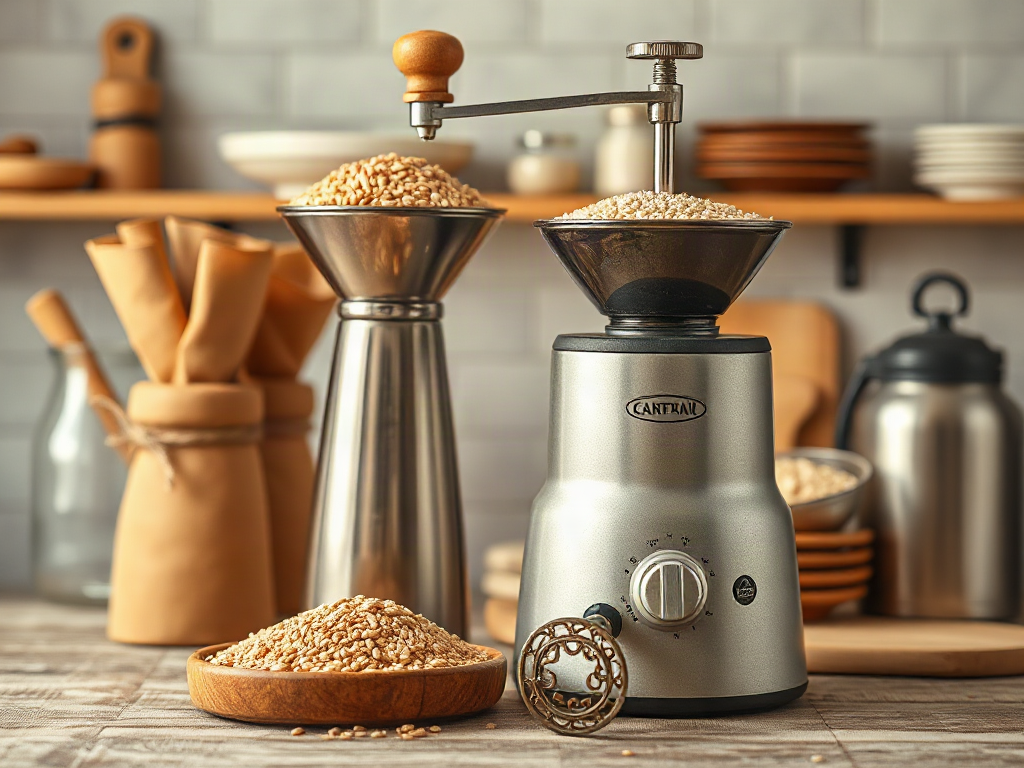
Countertop grain mills should be compared by total operating footprint and usable batch output, because published width, hopper capacity, and peak milling rate rarely show how the machine behaves in a working kitchen. Compact mills save storage space but may require slower feeding, smaller batches, or more cooling pauses, while…

Read More

Can You Mill Grains Directly Into a Bread Machine? What Works and What Damages the Pan

You generally cannot mill whole grains directly into a standard bread machine because its mixing paddle and pan are designed for combining ingredients, not grinding hard kernels. A separate grain mill must first turn clean, dry berries into flour, after which the flour can go into the bread-machine pan with…

Read More