
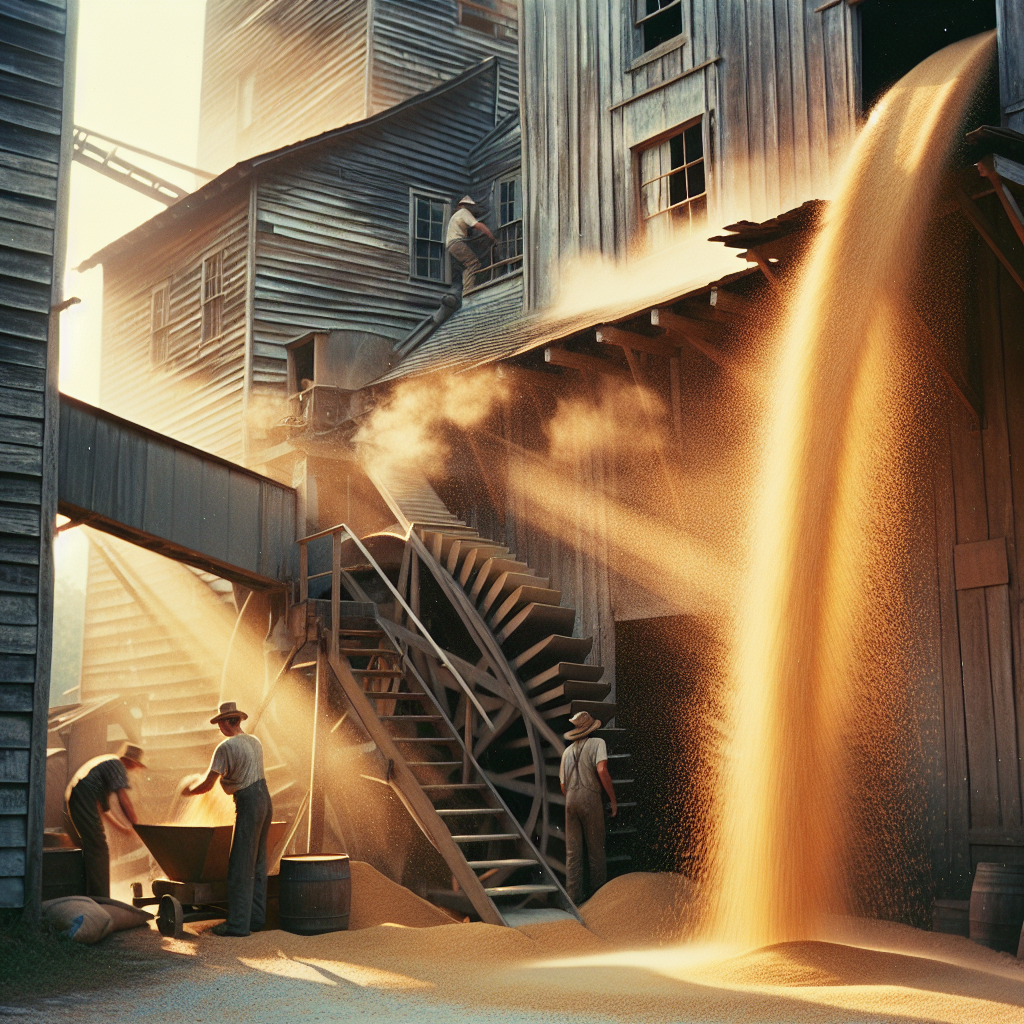
Understanding the essentials of grain milling is crucial for achieving the best results. First, selecting high-quality grains is vital, as stale or low-quality grains can lead to subpar flour. Additionally, it’s important to consider the grind size, which should be adjusted based on the intended use of the flour, such as for bread, pastries, or other baked items. Many home millers overlook these factors, leading to disappointing results in their baking endeavors.
Moreover, knowing how to maintain your milling equipment is key to ensuring consistent performance. Regular cleaning and proper storage of grains can prevent contamination and preserve the freshness of your flour. A common mistake is neglecting the upkeep of the mill, which can result in off-flavors or reduced efficiency. By prioritizing these aspects, you can master the grain milling process at home and enjoy the benefits of freshly milled flour.
Choosing the Right Grain for Milling
Choosing the right grain is foundational to the grain milling process at home. Various grains yield different flavors, textures, and nutritional profiles. Common options include wheat, rye, corn, and oats, each bringing unique properties to the flour produced. For instance, hard wheat is ideal for bread-making due to its high gluten content, while soft wheat is better suited for pastries.
When selecting grains, consider their freshness and source. Whole grains have a shelf life, and using older grains can result in diminished flavor and nutritional value. It’s advisable to purchase grains in small quantities or from trusted suppliers to ensure quality. Additionally, storing grains in a cool, dark place can help maintain their freshness over time.
Another aspect to consider is whether to use organic or conventional grains. Organic grains often come with the assurance of fewer pesticides and chemicals, which can be a deciding factor for health-conscious bakers. Overall, the choice of grain significantly impacts the final product, making informed decisions essential for successful milling.
Types of Grain Mills: Manual vs. Electric
There are two primary types of grain mills: manual and electric. Manual mills are often more affordable and portable but require physical effort and time to operate. They are ideal for small batches and are often favored by those who enjoy the hands-on aspect of milling.
On the other hand, electric mills provide convenience and speed, allowing for larger batches of flour to be produced with minimal effort. They are particularly beneficial for those who regularly bake or need flour in larger quantities. However, they can be more expensive and may require more maintenance.
When deciding between manual and electric mills, consider your baking frequency, budget, and the amount of flour you typically use. Each type has its advantages and disadvantages, and understanding these can help you choose the best option for your home milling needs.
Understanding Grind Sizes and Their Uses
Grind size is a critical factor in the grain milling process at home, as it directly affects the texture and performance of the flour in recipes. Generally, flour can be categorized into fine, medium, and coarse grind sizes, each suited for different applications. For example, fine flour is necessary for delicate pastries, while a coarser grind is better for rustic bread.
Adjusting the grind size can be done easily with most mills, but it’s important to understand the requirements of your recipes. Many home bakers assume they can use any flour interchangeably, but this can lead to inconsistent results. Paying attention to the grind size ensures that the flour behaves as expected in baking.
Another common mistake is not experimenting with different grind sizes. Bakers often stick to what they know, but trying a coarser grind for a new bread recipe or a finer grind for a cake can yield surprising results. Understanding how grind size impacts the final product opens up new possibilities in baking.
Common Mistakes in Home Grain Milling
Even experienced bakers can make mistakes when it comes to home grain milling. One of the most common errors is not properly adjusting the mill for different grains or recipes. Each grain has unique characteristics, and failing to adjust the grind size can lead to undesirable outcomes.

Another frequent issue is neglecting the maintenance of milling equipment. Dust and residue can accumulate, leading to off-flavors in the flour. Regular cleaning of the mill and proper storage of grains is essential to maintain quality and flavor. Additionally, many bakers overlook the importance of sourcing fresh grains, which can significantly impact the flour’s taste and nutritional content.
To avoid these pitfalls, it’s important to develop a routine that includes checking the freshness of grains, regularly cleaning the milling equipment, and being mindful of the grind size needed for specific recipes. By addressing these common mistakes, you can enhance your home grain milling experience.
Further Reading
For those interested in diving deeper into the grain milling process at home, consider exploring resources from reputable sources that cover grain types, milling techniques, and recipes.
Authoritative Sources
- Grain Mill Wagon
grainmillwagon.comA comprehensive resource for home milling techniques and recipes using freshly milled flour
- King Arthur Baking
kingarthurbaking.comOffers a wealth of information on flour types, baking tips, and milling techniques
- Whole Grains Council
wholegrainscouncil.orgDedicated to promoting the benefits of whole grains and providing resources for home milling
- The Fresh Loaf
thefreshloaf.comA community for bread enthusiasts, featuring discussions on milling and baking techniques
Frequently Asked Questions
What grains are best for home milling?
Hard wheat, rye, corn, and oats are popular choices for home milling, each offering unique flavors and nutritional profiles.
How do I maintain my grain mill?
Regularly clean the mill after each use, ensure it is stored in a dry place, and check for any residue buildup to maintain optimal performance.
Can I use old grains for milling?
Using old grains is not advisable, as they can lead to off-flavors and reduced nutritional value in your flour.
What grind size should I use for bread?
A medium to fine grind size is typically recommended for bread, as it helps develop gluten and provides the right texture.
How often should I mill my grains?
Mill grains as needed for freshness, ideally milling just before use to retain maximum flavor and nutritional benefits.
Conclusion
In summary, mastering the grain milling process at home involves selecting high-quality grains, understanding the types of mills available, and being aware of the importance of grind sizes. Avoiding common mistakes such as neglecting equipment maintenance and using stale grains will enhance the quality of your flour and, consequently, your baked goods. By prioritizing these elements, you can enjoy the benefits of freshly milled flour and elevate your baking experience.