Fresh Grain Versus Aged Grain for Flour Milling: What Changes
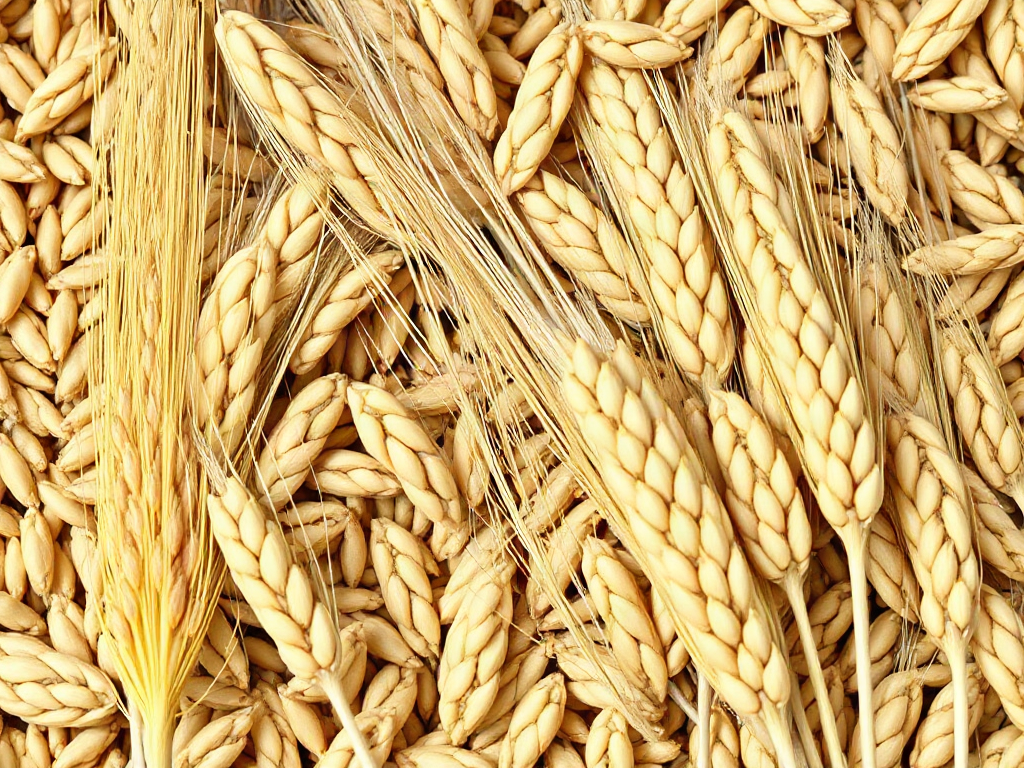
Fresh grain versus aged grain for flour milling is best judged by moisture stability, kernel soundness, storage history, and intended flour use rather than harvest date alone. Newly harvested grain may mill poorly if it is still warm, unevenly dried, or physiologically unsettled, while properly stored older grain can produce consistent flour.

Read More

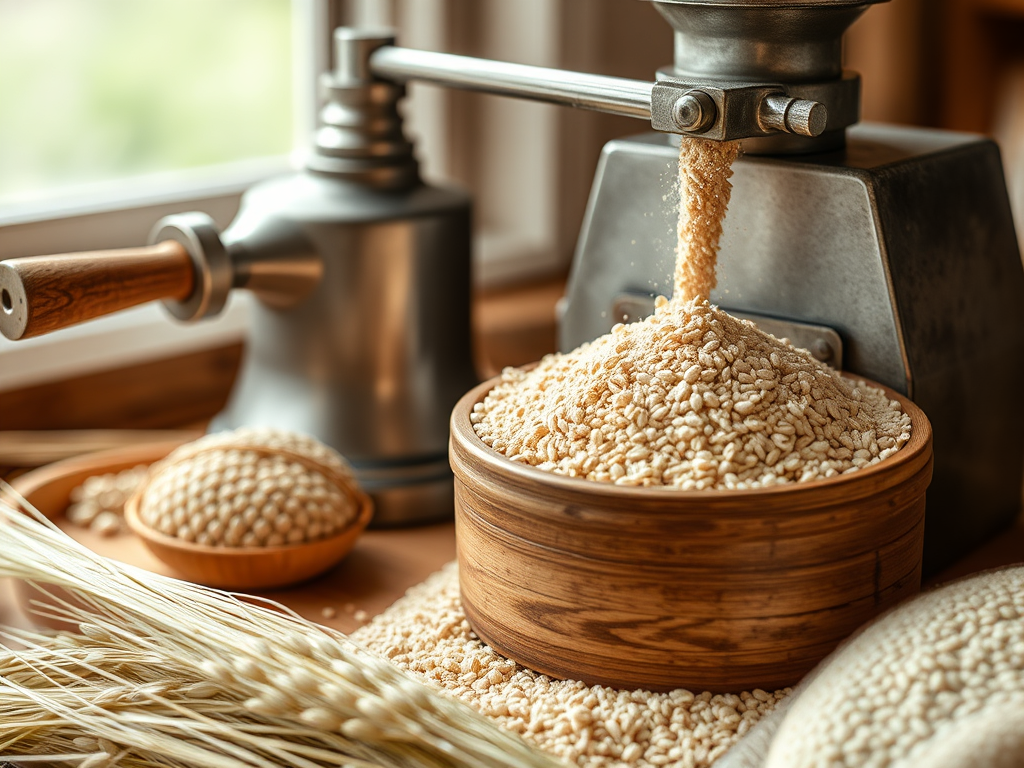
DIY Flour Milling: Getting Started

Understanding the Basics of Flour Milling What is Flour Milling? Let’s start at the beginning! Flour milling is the process of grinding grains into flour, which is crucial for making bread, pastries, and all sorts of delicious goodies. It’s an ancient practice that brings a sense of connection to the food we eat. Take a […]

Read More

Maximizing Nutrient Retention in Flour Milling

Understanding Nutrient Composition What Nutrients Are in Flour? Alright, let’s kick things off by chatting about what’s actually in the flour we use. Most people think of flour as just a starchy ingredient, but it�s way more than that! Flour contains proteins, vitamins, and minerals that are essential for our diets. You’ve got carbohydrates for […]

Read More