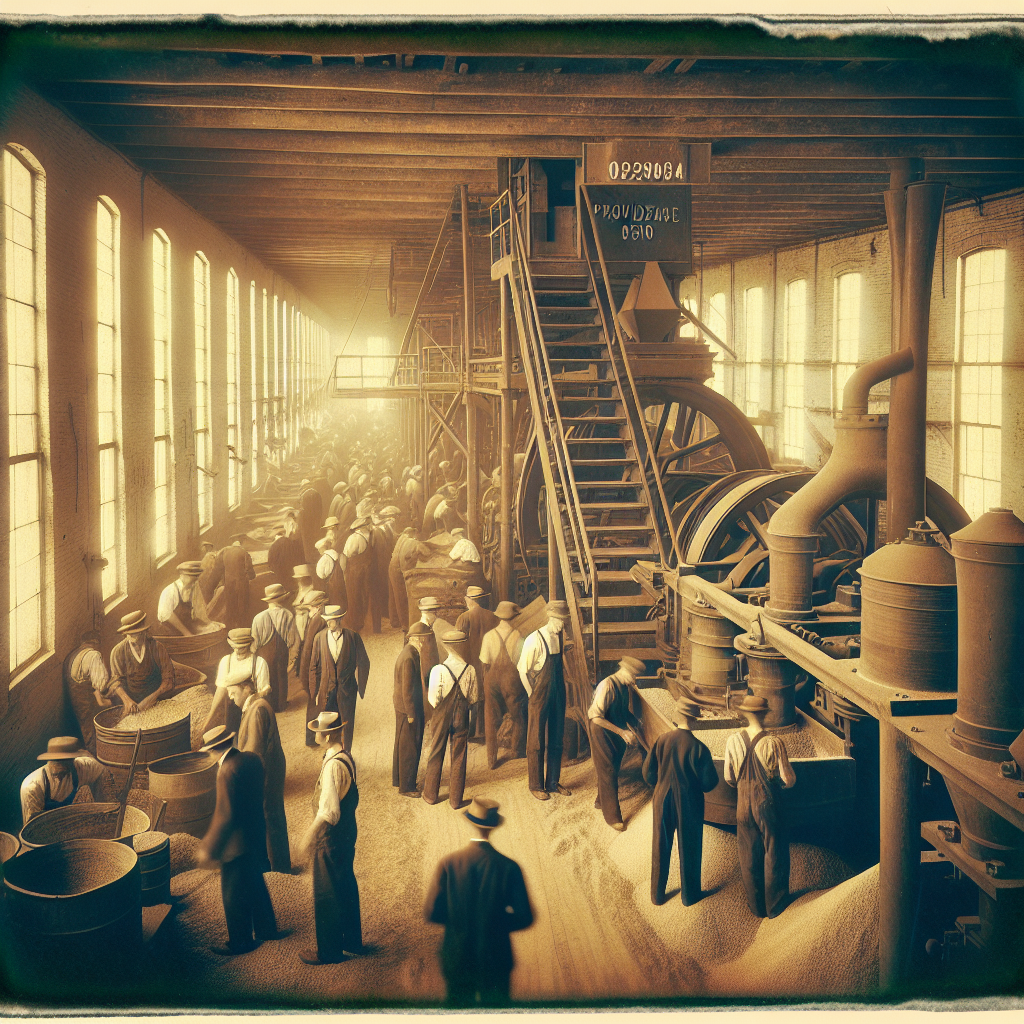
Understanding the nuances of flour milling can significantly enhance your baking and cooking experience. Each milling method has its advantages and disadvantages, affecting the flour’s flavor, texture, and nutritional value. For instance, stone mills tend to retain more nutrients and produce coarser flour, while impact mills create finer flour but may generate more heat, affecting the flour’s quality. Choosing the right milling technique is essential for achieving the desired outcome in your recipes.
Many home millers overlook the importance of grain selection, which can drastically change the flour’s characteristics. Different grains, such as wheat, rye, and spelt, each have unique properties that influence the final product. Additionally, common mistakes include not adjusting the milling settings for different grains or neglecting to clean the mill regularly, which can lead to cross-contamination and off-flavors. Prioritizing these factors will help you produce high-quality flour consistently.
Choosing the Right Milling Equipment
Selecting the right milling equipment is crucial for effective home flour milling. There are various types of mills available, including stone mills, burr mills, and impact mills, each catering to different needs and preferences. Stone mills are known for preserving the grain’s nutrients and producing a coarser texture, while impact mills are designed for speed and efficiency, generating finer flour quickly.
When choosing a mill, consider factors such as the volume of flour you plan to produce, the types of grains you want to mill, and your budget. Stone mills can be more expensive and require more maintenance, while burr mills offer a balance between price and performance. Assessing your specific needs will help you make an informed decision that aligns with your milling goals.
A common mistake is underestimating the importance of mill maintenance. Regular cleaning and calibration of your milling equipment ensure the best performance and quality. Neglecting these tasks can lead to inconsistent flour quality and potential contamination from leftover grains. Prioritize maintenance to maintain optimal milling conditions.
Understanding Different Grains
Different grains yield distinct types of flour, each with unique flavors and baking properties. Common grains for milling include wheat, rye, spelt, and barley. Each grain has a different protein content, which significantly impacts the flour’s baking characteristics. For example, hard wheat is typically higher in protein and gluten, making it ideal for bread, while soft wheat is better suited for pastries and cakes.
Understanding the specific qualities of each grain allows you to choose the right flour for your baking needs. For instance, if you’re aiming to produce whole grain flour, consider milling grains that are known for their nutritional benefits, such as spelt or einkorn. Additionally, experimenting with different grains can lead to unique flavors and textures in your baked goods.
A common pitfall is using the wrong grain for the intended recipe. For example, using whole rye flour instead of wheat flour can lead to denser, less desirable results. Take the time to research and experiment with various grains to discover which ones work best for your recipes and personal taste.
Milling Techniques and Their Benefits
Home flour milling techniques vary based on the equipment used and the desired flour characteristics. Stone milling is often preferred for its ability to produce flour with a high nutritional profile, as the slow grinding process generates minimal heat. This method retains the natural oils and nutrients found in the grains, resulting in a richer flavor.
On the other hand, impact mills are designed for speed and efficiency, making them ideal for users who require a quick milling process. While they produce finer flour, the heat generated during milling can diminish some of the nutritional value. Understanding these differences allows you to choose the right technique based on your priorities, whether they be nutrition, flavor, or convenience.

It’s essential to recognize that the milling technique can affect the final product’s baking performance. For example, flour produced from stone milling may require adjustments in hydration levels due to its coarser texture. Being aware of these nuances will help you achieve the best results in your recipes.
Common Mistakes to Avoid
When milling flour at home, several common mistakes can impact the quality of the final product. One frequent error is failing to properly store grains, which can lead to spoilage or pest infestations. Always store grains in a cool, dry place, preferably in airtight containers to maintain freshness.
Another mistake is not adjusting the mill settings for different grains. Each grain has unique milling requirements, and using a one-size-fits-all approach can lead to inconsistent flour quality. Familiarizing yourself with your mill’s settings and adjusting them according to the grain type will yield better results.
Lastly, many home millers overlook the importance of proper cleaning after each use. Residual flour and oils can affect the taste and quality of future batches. Make cleaning a regular part of your milling routine to ensure the best performance and flavor consistency.
Further Reading
Authoritative Sources
- Home Milling: A Practical Guide
example.comThis resource provides detailed insights on home milling techniques, including equipment selection and grain types
Frequently Asked Questions
What is the best type of mill for home flour milling?
The best type of mill depends on your needs; stone mills are great for nutrition, while impact mills offer speed.
How do I store whole grains for milling?
Store whole grains in a cool, dry place in airtight containers to maintain freshness and prevent spoilage.
Can I mill different types of grains in the same mill?
Yes, but ensure you clean the mill thoroughly between uses to avoid cross-contamination of flavors.
How does milling affect the nutritional value of flour?
Milling methods like stone grinding preserve more nutrients compared to others, affecting the flour’s health benefits.
What mistakes should I avoid when milling flour at home?
Avoid improper storage, not adjusting mill settings for different grains, and neglecting cleaning after use.
Conclusion
To wrap up, mastering home flour milling techniques requires understanding the equipment, grain selection, and milling methods. By prioritizing these elements and avoiding common mistakes, you can produce high-quality flour that enhances your baking and cooking. Invest time in learning about the different grains and milling techniques to make informed decisions that align with your culinary goals. Start your journey towards fresh, homemade flour today and enjoy the benefits of quality ingredients in your dishes.