
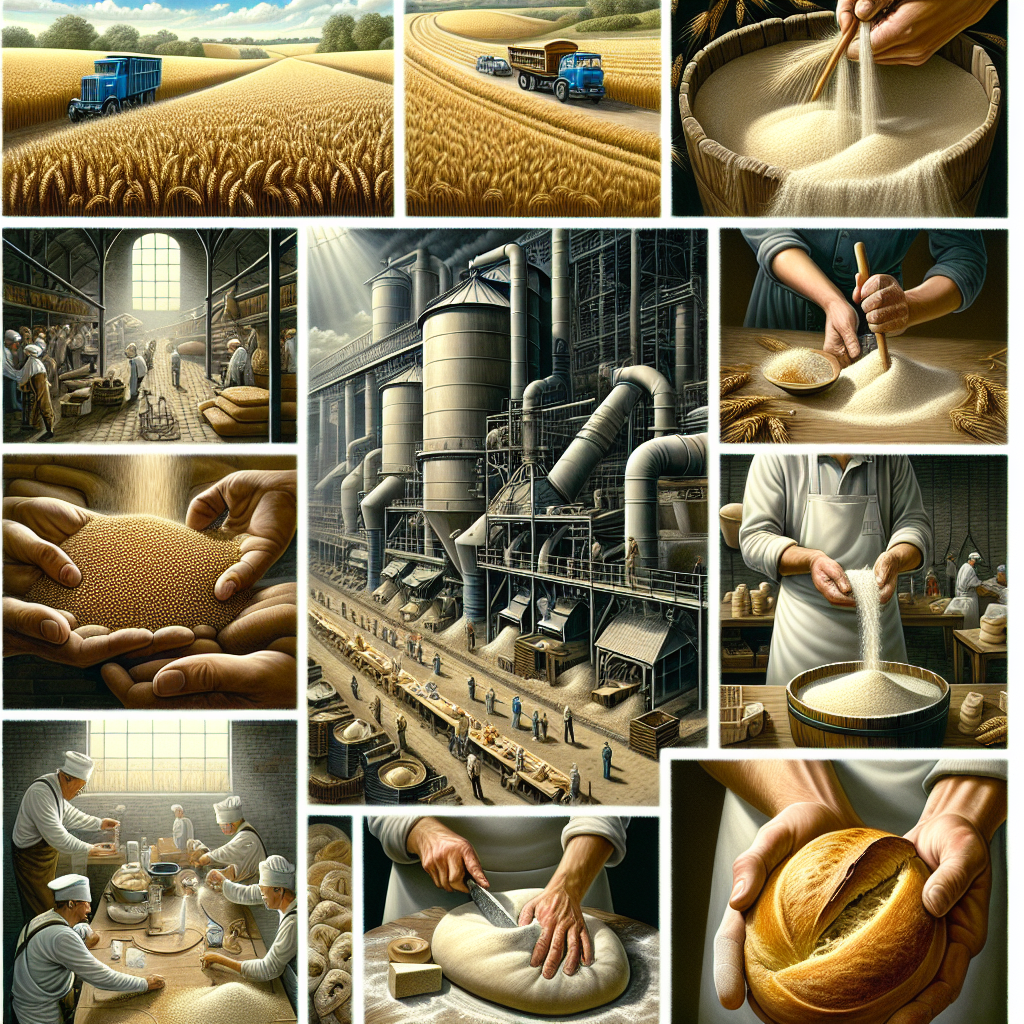
When using whole wheat flour, one of the primary considerations is its higher absorption rate compared to white flour. This means that recipes may require additional liquid to achieve the right consistency. Moreover, whole wheat flour can produce denser baked goods if not handled correctly. A common mistake is to substitute whole wheat flour cup for cup in traditional recipes without making necessary adjustments. This often leads to dry or overly dense products that fail to rise properly.
Additionally, the quality of whole wheat flour can vary significantly between brands, affecting the outcome of baked goods. Freshly milled whole wheat flour tends to have a more pronounced flavor and better baking properties than older flour, which may have lost some of its natural oils and flavor compounds. Therefore, it’s crucial to choose high-quality flour and consider experimenting with different brands to find the best fit for your baking needs.
Understanding Whole Wheat Flour
Whole wheat flour is made from the entire wheat kernel, providing a robust flavor and a rich source of nutrients. Its higher fiber content contributes to a denser texture in baked goods. This is an important factor to consider when replacing all-purpose flour in recipes. The inclusion of bran and germ not only enhances nutritional value but also affects gluten formation, which is critical for the structure of baked goods.
Moreover, the milling process can influence the flour’s characteristics. Fine whole wheat flour can create lighter textures, while coarser varieties may lead to denser results. Understanding the type of whole wheat flour available and its milling specifications can help bakers achieve the desired outcome in their recipes.
It’s also essential to note the flavor profile that whole wheat flour brings to baked goods. The nutty, slightly sweet flavor can complement a variety of ingredients, making it a versatile option for many recipes. Experimenting with different types of whole wheat flour, such as hard red, soft white, or even spelt, can further enhance the flavor and texture of baked products.
Adjusting Recipes for Whole Wheat
When transitioning to whole wheat flour, adjustments in hydration levels are often necessary. It is generally recommended to increase the liquid content by 10-15% when substituting whole wheat flour for all-purpose flour. This helps to counteract the flour’s higher absorption capacity, ensuring that the final product remains moist and tender.
Another common adjustment is to reduce the mixing time. Whole wheat flour can develop gluten more quickly than white flour, which can lead to toughness if overmixed. Using a gentle mixing technique, such as folding or stirring, can help maintain the desired texture in baked goods.
In some cases, incorporating a combination of whole wheat and all-purpose flour can yield better results. This hybrid approach allows bakers to enjoy the nutritional benefits of whole wheat while maintaining a lighter texture. For instance, starting with a 50/50 blend can be a great way to ease into using whole wheat flour in baking.
Common Baking Mistakes with Whole Wheat
Bakers new to whole wheat flour often encounter pitfalls that can affect their results. One common mistake is not allowing the dough to rest after mixing. Whole wheat flour benefits from a resting period, known as autolyse, which allows the flour to absorb moisture and the gluten to relax, resulting in a better texture.
Another issue is neglecting to measure flour correctly. Whole wheat flour can be heavier than all-purpose flour, leading to dense baked goods if too much is used. It is crucial to weigh flour for accuracy or use the spoon-and-level method to prevent adding too much flour to recipes.

Additionally, many bakers overlook the importance of freshness. Whole wheat flour can go rancid more quickly than white flour due to its higher oil content. Storing flour in a cool, dark place and checking expiration dates can help ensure that the flour retains its flavor and baking properties.
Popular Whole Wheat Baking Recipes
There are numerous delicious recipes that highlight the use of whole wheat flour. Whole wheat bread, for example, can be made more flavorful by incorporating ingredients like honey, nuts, or seeds. Whole wheat pancakes and waffles benefit from the flour’s nutty flavor, making for a hearty breakfast option.
Muffins are another excellent vehicle for whole wheat flour. By adding fruits, vegetables, or spices, bakers can create nutritious snacks that are both satisfying and healthy. Whole wheat cookies, when balanced with ingredients like oats or dark chocolate, can also be a delightful treat.
For those interested in exploring whole wheat baking, starting with simple recipes that allow for gradual adjustments can build confidence and skill. As bakers become more familiar with the properties of whole wheat flour, they can experiment with more complex recipes and techniques.
Further Reading
Authoritative Sources
- King Arthur Baking Company
kingarthurbaking.comA trusted source for recipes and tips on using whole wheat flour effectively in baking
Frequently Asked Questions
Can I substitute whole wheat flour for all-purpose flour in any recipe?
While you can substitute whole wheat flour for all-purpose flour, adjustments in liquid and mixing times are necessary to achieve the right texture.
Does whole wheat flour make baked goods denser?
How can I improve the flavor of whole wheat baked goods?
Yes, whole wheat flour can result in denser baked goods if not properly hydrated and mixed. Consider using a blend of whole wheat and all-purpose flour for lighter textures.
What is the best way to store whole wheat flour?
Store whole wheat flour in a cool, dark place, preferably in an airtight container to maintain freshness.
Are there specific recipes that work better with whole wheat flour?
Yes, recipes like whole wheat bread, pancakes, and muffins often benefit from the unique flavor and nutrition of whole wheat flour.
How can I tell if my whole wheat flour is fresh?
Check the expiration date and smell the flour; fresh whole wheat flour should have a pleasant nutty aroma, while rancid flour will smell off.