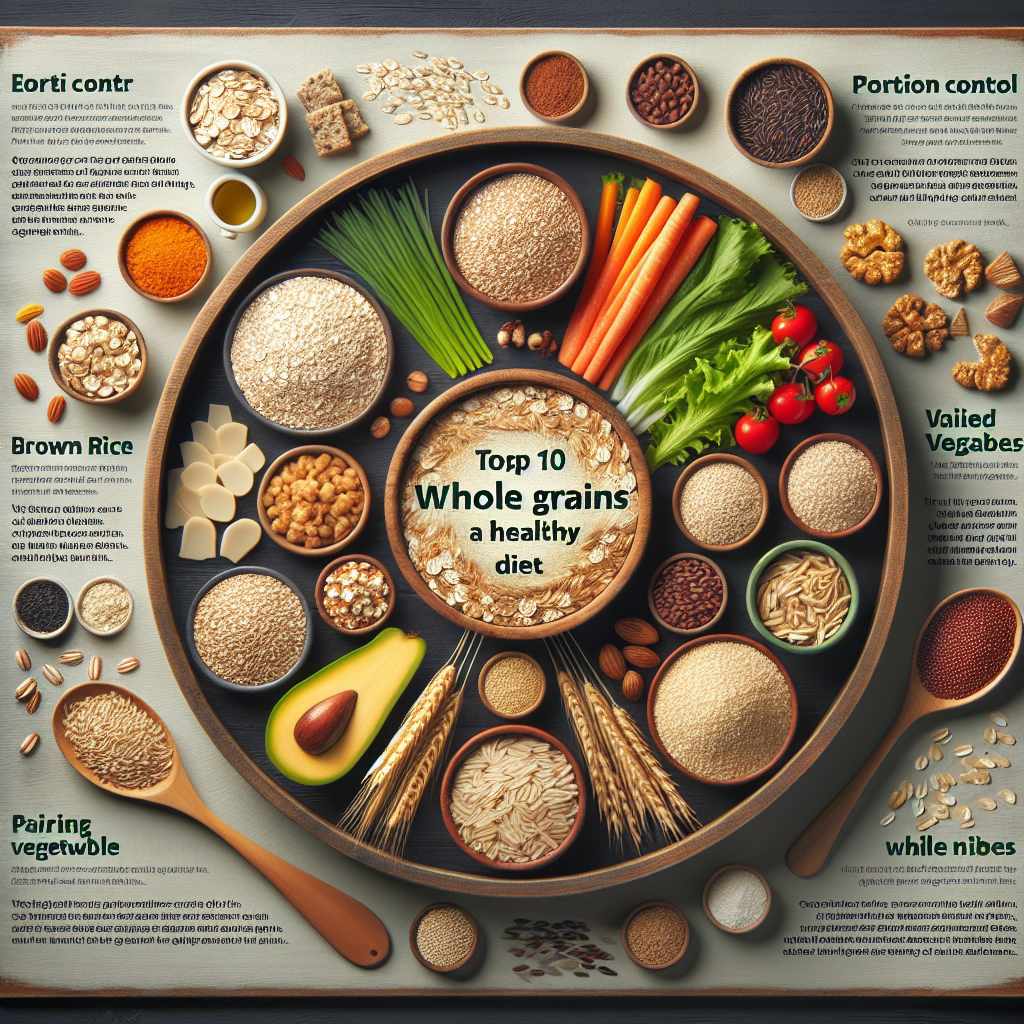
Types of grains for healthy meals encompass a variety of options, including quinoa, brown rice, oats, barley, and farro. Each of these grains provides distinct nutritional benefits that can enhance your overall health when included in your diet. Whole grains are particularly beneficial as they retain their bran and germ, which are rich in fiber, vitamins, and minerals.
Incorporating these grains into your meals not only supports digestive health but can also aid in weight management and reduce the risk of chronic diseases. For instance, quinoa is a complete protein, making it an excellent choice for vegetarians, while brown rice offers sustained energy due to its complex carbohydrates. Understanding the unique properties of each grain can help you make informed dietary choices.
Quinoa: A Nutritional Powerhouse
Quinoa is often hailed as a superfood due to its high protein content and essential amino acids. Unlike most grains, it is gluten-free and provides a complete protein source, making it ideal for those following plant-based diets. Its versatility allows it to be used in salads, bowls, and even baked goods.
When preparing quinoa, it is crucial to rinse it thoroughly before cooking to remove its natural coating, called saponin, which can impart a bitter taste. Quinoa cooks quickly and can be prepared in various ways, making it a convenient choice for healthy meals.
Brown Rice: A Versatile Staple
Brown rice is a whole grain that retains its bran and germ layers, providing more nutrients than white rice. It is rich in fiber, which aids digestion and promotes satiety. Brown rice can be a versatile base for a variety of dishes, from stir-fries to grain bowls.
While brown rice takes longer to cook than white rice, its nutty flavor and chewy texture make it a satisfying addition to meals. To enhance its nutritional profile, consider cooking it in vegetable or chicken broth instead of water.
Barley: The Fiber-Rich Grain
Barley is an ancient grain known for its high fiber content, particularly beta-glucans, which can help lower cholesterol levels. It has a chewy texture and a mild, nutty flavor, making it an excellent addition to soups, stews, and salads.
When cooking barley, it is best to soak it overnight to reduce cooking time. Barley can also be incorporated into breakfast dishes, such as porridge, providing a hearty start to the day.

Farro: An Ancient Grain with Modern Appeal
Farro is another ancient grain that has gained popularity in recent years. It is high in fiber, protein, and various nutrients, making it a nutritious option for healthy meals. Farro has a chewy texture and a slightly sweet flavor, which pairs well with roasted vegetables and dressings.
To prepare farro, rinse it and then cook it in water or broth until tender. Its versatility allows it to be used in salads, soups, or as a side dish, providing a satisfying and nutritious base for any meal.
Frequently Asked Questions
What are the healthiest grains to include in meals?
Some of the healthiest grains include quinoa, brown rice, oats, and barley, known for their nutritional benefits and versatility in meals.
How can I incorporate more grains into my diet?
You can incorporate more grains by using them as the base for salads, adding them to soups, or substituting them for refined grains in recipes.
Are whole grains better than refined grains?
Yes, whole grains are generally better than refined grains as they retain more nutrients, including fiber, vitamins, and minerals.
Can grains help with weight management?
Yes, whole grains can aid in weight management due to their high fiber content, which promotes satiety and can help control appetite.
What is the best way to cook grains?
The best way to cook grains varies by type, but generally involves rinsing, soaking if necessary, and simmering in water or broth until tender.
Conclusion
Incorporating various types of grains into your meals can significantly enhance your nutritional intake and overall health. Prioritize whole grains like quinoa, brown rice, barley, and farro for their fiber, protein, and essential nutrients. Experiment with different grains in your cooking to find combinations that you enjoy, and remember that these grains can be versatile additions to a variety of dishes. By making informed choices about the grains you consume, you can support your health and well-being effectively.