How to Freeze Freshly Milled Whole Wheat Flour for Better Flavor and Easier Baking
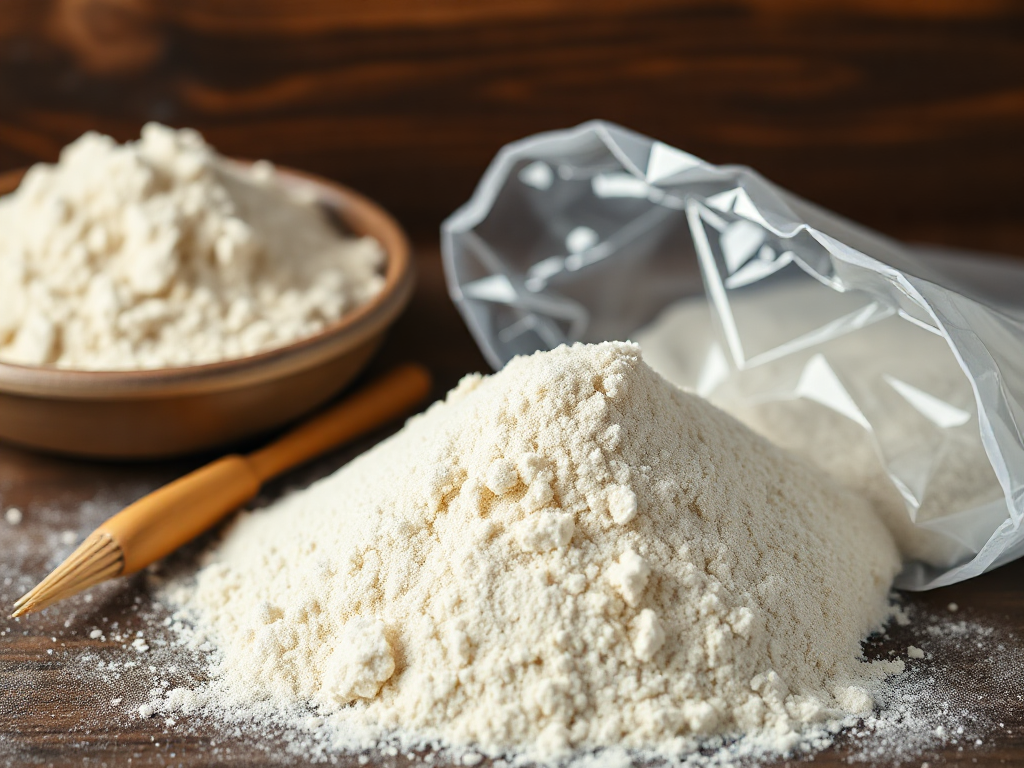
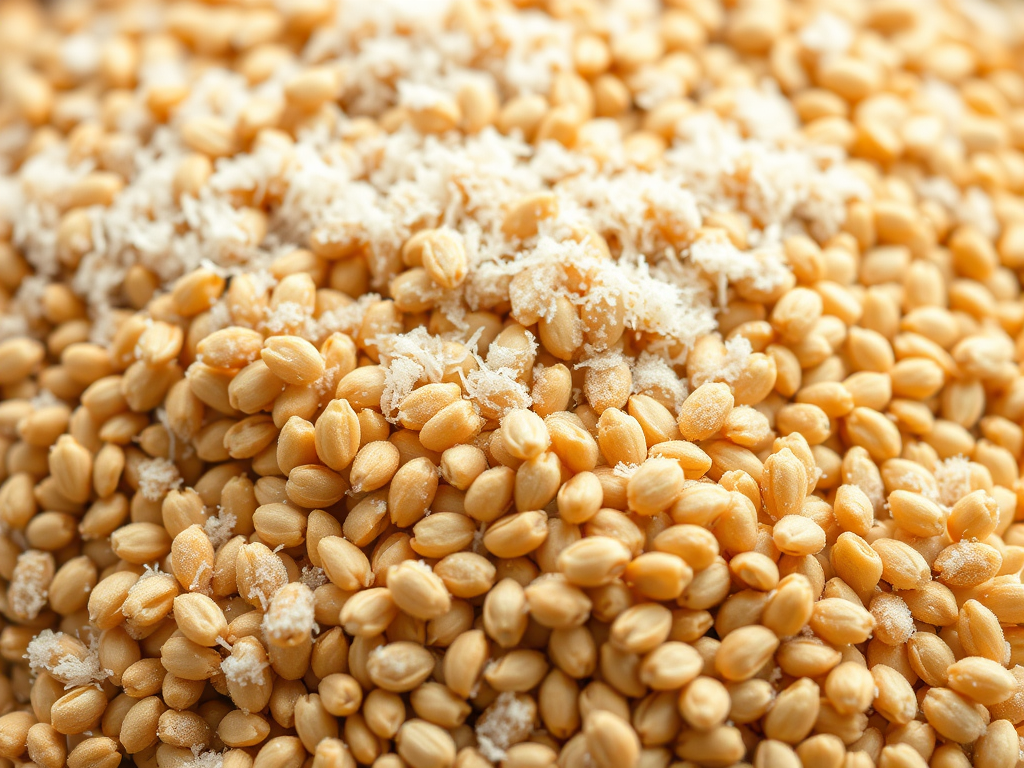
Freeze freshly milled whole wheat flour by portioning it into airtight, moisture-resistant freezer bags or containers, pressing out excess air, labeling it, and storing it flat in a consistently cold freezer. Freezing slows rancidity because the flour’s germ contains oils that gradually oxidize, while tight packaging limits moisture, odors, and freezer burn.

Read More

What Grind Size Works Best for Whole Wheat Pancakes — A Fluffy, Tender Batter Method

A medium-fine grind works best for whole wheat pancakes because it keeps the bran small enough for a tender crumb while still retaining the flavor and nutrition of the entire kernel. Very coarse meal can produce gritty pancakes and absorb liquid unevenly, whereas an ultra-fine grind may make the batter heavy if it is overmixed.

Read More

Can a Grain Mill Make Cracked Wheat for Cooking? Settings, Texture, and Uses

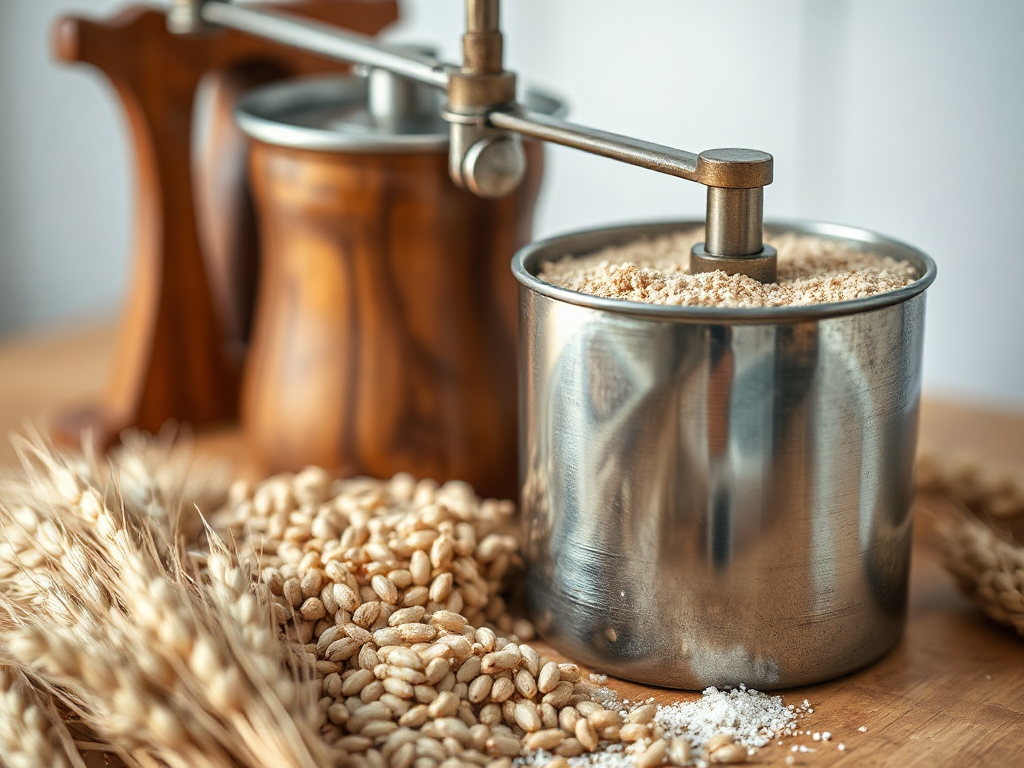
Yes, a grain mill can make cracked wheat for cooking when you use whole, dry wheat berries and a coarse setting rather than a flour setting. The mill breaks the berries into irregular pieces, although some fine meal and a few larger fragments are normal.

Read More

How to Prevent Flour Dust When Milling Grains: Setup, Collection, and Cleanup Steps

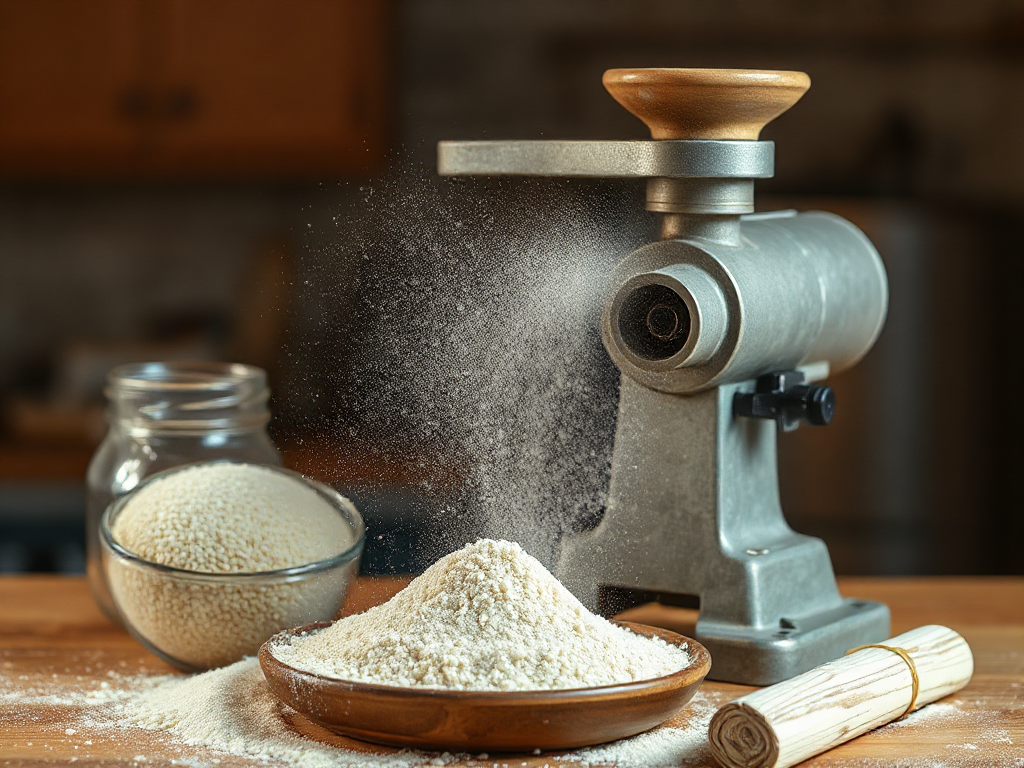
Prevent flour dust when milling grains by using a properly fitted mill, feeding dry grain at the manufacturer’s intended rate, and capturing flour before it escapes into the room. Position the outlet inside a close-fitting container, avoid overfilling the hopper, and let the mill finish its cycle before removing the container.

Read More

What Grain Mill Works Best for Small Wheat Batches — Burrs, Speed, and Cleanup

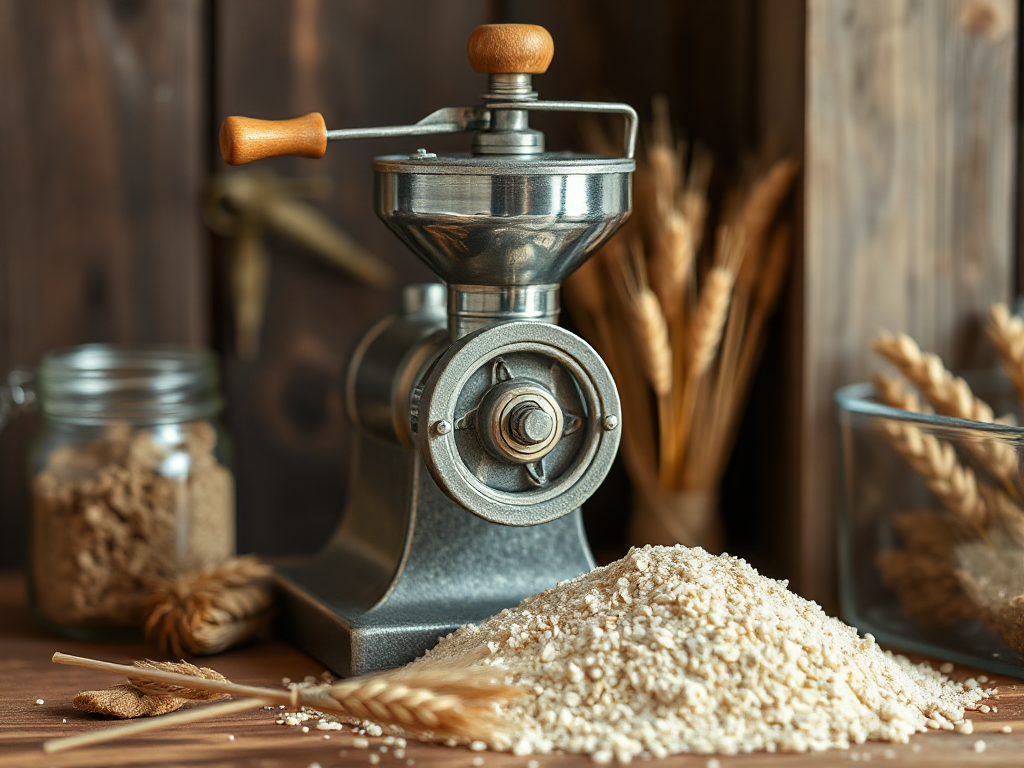
For small wheat batches, a compact stone-burr or impact grain mill with adjustable flour settings works best because it handles modest quantities efficiently, produces consistent flour, and avoids the cleanup burden of a large commercial-style machine.

Read More

How to Check Wheat Berries for Moisture Before Storage — A Practical Testing Checklist

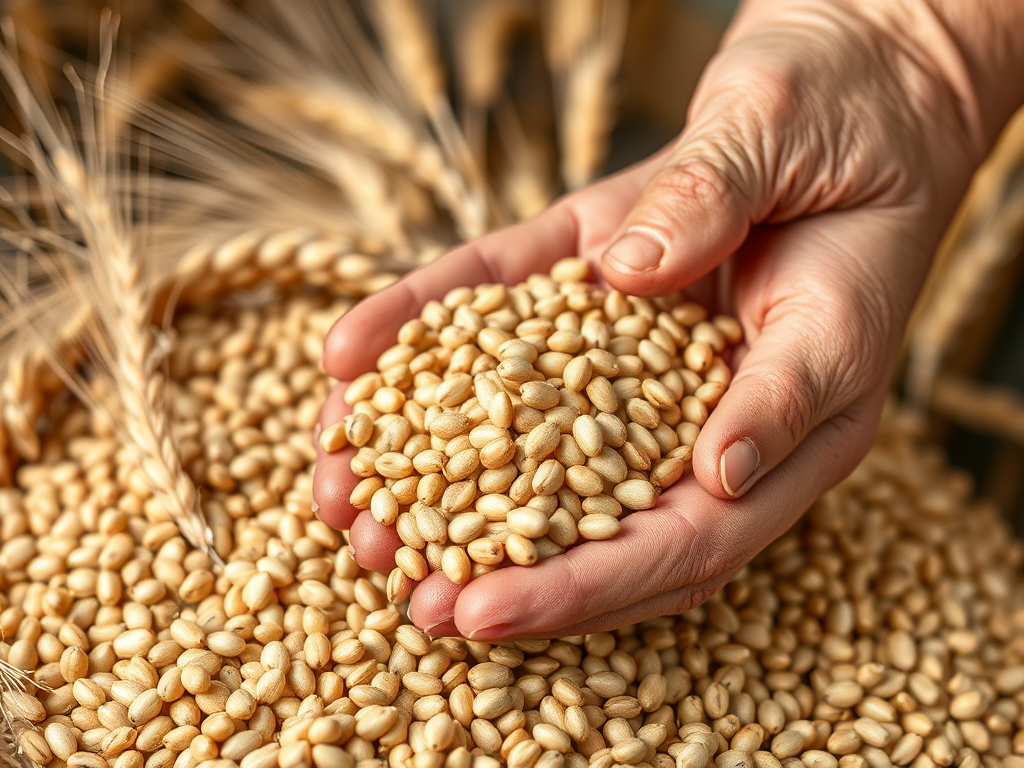
Check wheat berries for moisture before storage by testing a representative sample with a calibrated grain moisture meter, then confirm the reading with a cut-and-inspect check and a short sealed-container observation. Moisture meters provide the most useful measurement, while clumping, softness, condensation, musty odors, or visible mold signal that the batch needs attention before sealing.

Read More

How to Thaw Frozen Wheat Berries Before Milling Without Excess Moisture

Thaw frozen wheat berries in a shallow layer at room temperature until they are fully free of ice, then dry any surface condensation before milling. A covered container can trap moisture, while warm water or heat may soften the kernels unevenly and create excess humidity around the mill.

Read More

Does Freezing Wheat Berries Extend Their Storage Life? What Works, What Fails, And When To Use It

Yes, freezing wheat berries can extend their practical storage life by slowing insect activity, oxidation, and quality loss, but only when the kernels are dry and sealed against moisture. Divide the berries into airtight, freezer-safe portions, remove as much air as practical, and label each package before freezing.

Read More

How Much Wheat Fits in a Home Grain Storage Bucket? Pounds, Volume, and Packing Method

A typical 5-gallon home grain storage bucket holds about 33 to 38 pounds of wheat berries, depending on berry size, moisture, and how tightly the bucket is filled. Wheat does not pack like water: air spaces between kernels, headspace below the lid, and the bucket’s usable interior volume all reduce the final amount.

Read More

Best Containers for Storing Wheat Berries at Home for Freshness, Pest Control, and Easy Rotation

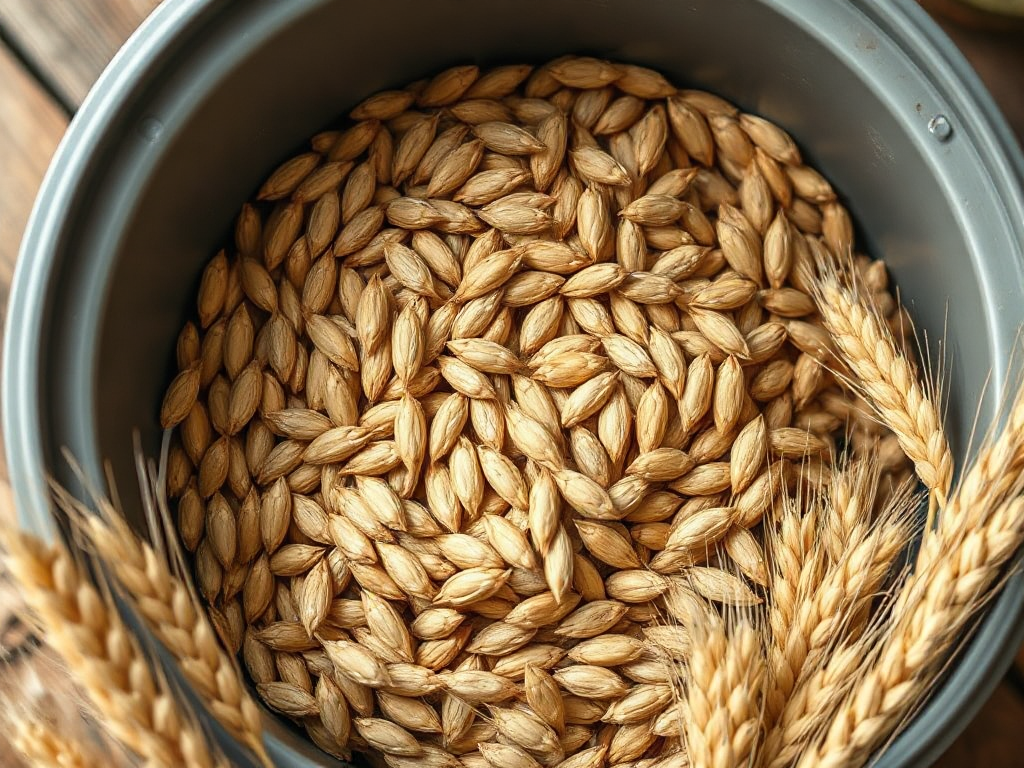
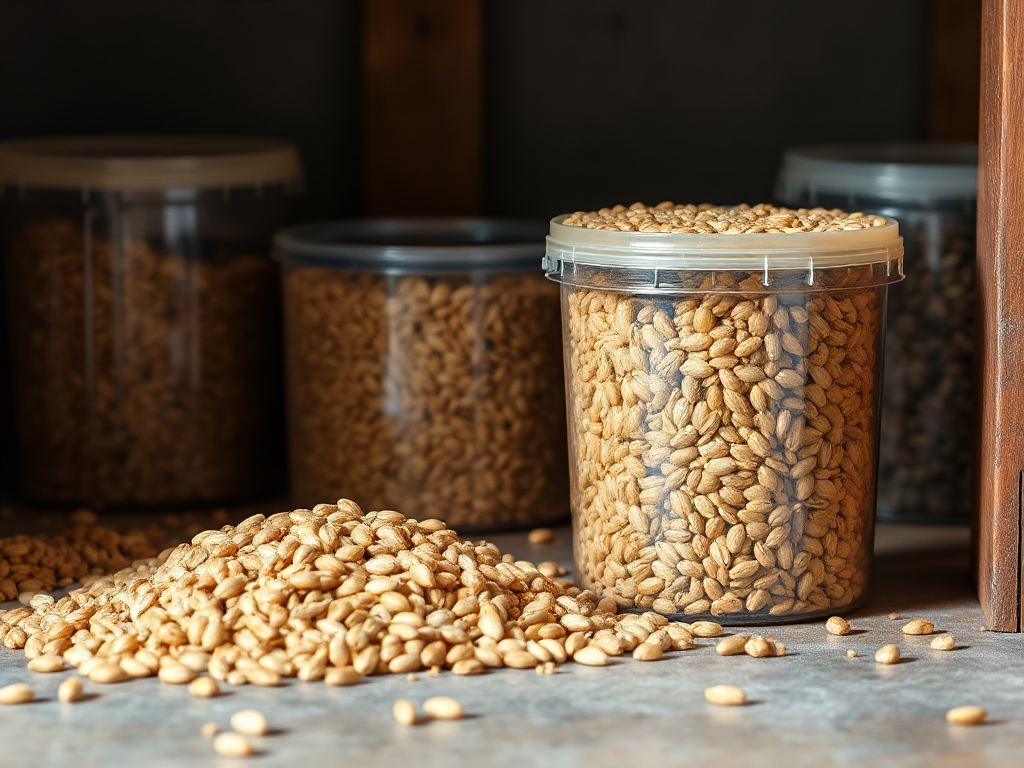
The best containers for storing wheat berries at home are food-grade, airtight buckets or thick barrier bags placed in a cool, dark, dry location. Use containers with secure gaskets or heat-sealed liners to limit moisture and oxygen, which can encourage mold, stale odors, insect activity, and quality loss.

Read More