
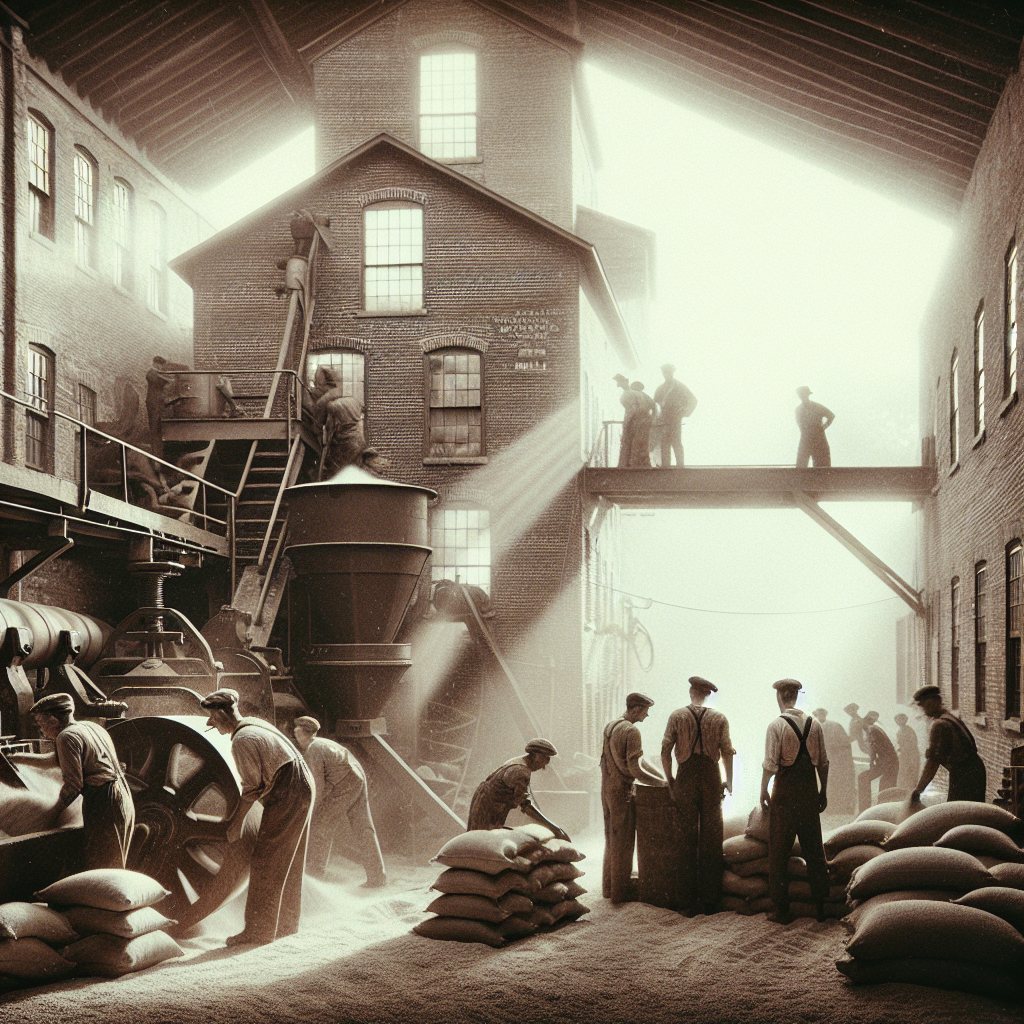
To successfully mill your own flour, it’s crucial to understand the types of grains available, the equipment needed, and the techniques for achieving the desired flour consistency. Many home bakers overlook the importance of selecting the right grain for their recipes, which can significantly affect the outcome of baked goods. Additionally, knowing how to adjust your milling technique based on the grain type is essential for achieving the best results.
Common mistakes include using a mill that isn’t suited for the grain type or not adjusting the milling settings for the desired flour texture. Prioritizing quality equipment and understanding the milling process will lead to better baking results and a more enjoyable experience overall.
Choosing the Right Grain for Milling
Selecting the right grain is crucial for successful flour milling. Different grains yield different flavors and textures, which can impact your baked goods significantly. Popular choices include wheat, spelt, and rye, each offering unique characteristics. For instance, hard wheat is ideal for bread due to its high protein content, while soft wheat works best for pastries.
It’s essential to consider the intended use of the flour when choosing grains. For example, if you plan to make bread, opt for hard red wheat or durum wheat. On the other hand, if you’re baking cookies or cakes, soft white wheat is a better choice. Understanding these distinctions can help you make informed decisions that enhance your baking.
Furthermore, many bakers overlook the importance of grain freshness. Purchasing whole grains from a reputable source ensures that you’re getting high-quality products. Additionally, consider experimenting with ancient grains like einkorn or emmer for unique flavors and nutritional benefits.
Essential Equipment for Home Milling
The primary piece of equipment for milling your own flour is a grain mill. There are two main types: manual and electric. Manual mills are typically more affordable and portable, but they require more effort to operate. Electric mills, on the other hand, offer convenience and speed, making them suitable for frequent use.
When choosing a grain mill, consider factors such as the mill’s capacity, durability, and ease of cleaning. High-quality mills can handle a variety of grains and produce flour of different textures, which is vital for diverse baking needs. Additionally, ensure that the mill has a good reputation for performance and longevity.
Another important tool is a storage container for your freshly milled flour. Since whole grain flour can go rancid quickly due to its natural oils, store it in an airtight container in a cool, dark place to preserve its freshness. This step is often neglected but is crucial for maintaining the quality of your flour.
Milling Techniques for Optimal Flour Quality
To achieve the best flour quality, it’s essential to use the correct milling technique. Start by adjusting the mill settings according to the grain type and desired texture. For finer flour, pass the grain through the mill multiple times, adjusting the settings as needed. This method allows for greater control over the flour’s consistency.
Additionally, consider sifting the flour after milling to remove larger particles. This step can enhance the texture of your baked goods, especially for lighter recipes like cakes. Some bakers also mix different grains to create custom flour blends, which can add unique flavors and nutritional profiles.
Moreover, milling in smaller batches can help maintain freshness and prevent the flour from oxidizing. Freshly milled flour is more nutritious and flavorful, making it a worthwhile practice for serious bakers.

Common Mistakes to Avoid When Milling
One of the most common mistakes in home milling is not properly cleaning the grain before milling. Dust and debris can affect the flour quality and introduce unwanted flavors. Always rinse grains thoroughly and allow them to dry before milling.
Another pitfall is neglecting to calibrate the mill. Each grain type may require different settings, and failing to adjust can result in unsatisfactory flour texture. Take the time to experiment with different settings to find what works best for your chosen grain.
To wrap up, many bakers underestimate the importance of timing in the milling process. Milling too quickly can lead to overheating, which affects the flour’s flavor and nutritional value. Aim for a steady, moderate pace to preserve the quality of your flour.
Further Reading
Authoritative Sources
- Grain Mill Wagon
grainmillwagon.comA comprehensive resource for home milling, featuring product reviews and milling techniques
- The Fresh Loaf
thefreshloaf.comThis community forum offers insights and experiences from home bakers, including milling tips
- King Arthur Baking
kingarthurbaking.comProvides extensive information on flour types, milling techniques, and baking recipes
Frequently Asked Questions
What types of grains can I mill at home?
You can mill various grains such as wheat, spelt, rye, oats, and even ancient grains like einkorn and emmer.
How do I store freshly milled flour?
Store freshly milled flour in an airtight container in a cool, dark place to maintain its freshness and prevent it from going rancid.
Can I use a blender to mill grains?
While a blender can be used to mill grains, it may not achieve the same consistency and quality as a dedicated grain mill.
How long does freshly milled flour last?
Freshly milled flour can last for about 1-2 weeks at room temperature, but refrigeration can extend its shelf life up to several months.
What are the benefits of milling my own flour?
Milling your own flour provides fresher, more nutritious flour with enhanced flavor and the ability to control texture and grain selection.
Conclusion
All in all, milling your own flour is a rewarding practice that enhances both the quality and flavor of your baked goods. By selecting the right grains, investing in quality equipment, and mastering milling techniques, you can produce flour that meets your specific baking needs. Avoid common mistakes and prioritize freshness to ensure the best results. As you explore the world of home milling, new flavors and textures that can elevate your baking to new heights.