The real challenge isn't understanding milling your own flour: unlocking freshness and flavor for your baking — it's what happens when small oversights, weak priorities, or real-world constraints start compounding.
Milling your own flour can dramatically enhance the quality of your baked goods, providing you with fresh, flavorful flour that retains more nutrients than store-bought options. While the process may seem daunting at first, the benefits of milling your own flour far outweigh the challenges. Not only do you have control over the grain varieties you use, but you also get to enjoy the satisfaction of creating flour that is tailored to your recipes.
However, many home bakers underestimate the complexity involved in milling their own flour. Common pitfalls include choosing the wrong type of grain, using improper equipment, or failing to understand the differences in flour types based on the milling process. To successfully incorporate home-milled flour into your baking routine, it’s essential to recognize these challenges and arm yourself with the right knowledge and tools.
Understanding the Milling Process
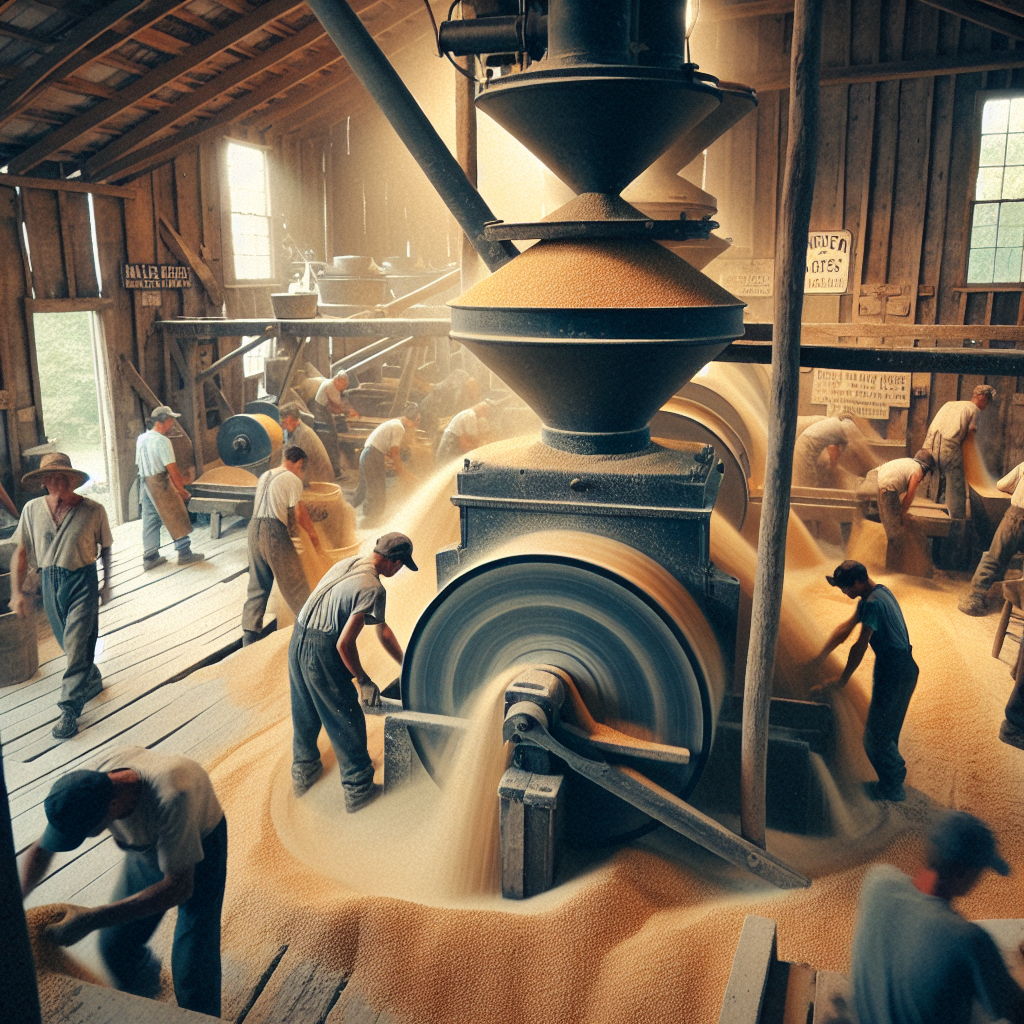
This matters more than it seems because weak decisions here usually create bigger downstream problems. The milling process involves grinding grains into flour, and understanding this process is crucial for home bakers. Different milling methods can yield flour with varying textures and properties. For instance, stone milling produces a coarser flour that retains more bran and germ, while roller milling creates a finer, more uniform flour. Knowing these distinctions helps you choose the right method based on your baking needs.

Many bakers mistakenly think any flour type can be used interchangeably. However, the texture and protein content of the flour significantly affect the outcome of your baked goods. For example, bread flour made from hard wheat provides gluten strength necessary for bread, while pastry flour made from soft wheat is ideal for tender pastries. Understanding how to select and use these different flour types will enhance your baking results.
Choosing the Right Equipment
This matters more than it seems because weak decisions here usually create bigger downstream problems. Investing in a good grain mill is essential for successful home milling. There are various types of mills available, including manual and electric options. Manual mills are typically less expensive and can be more portable, but they require more effort and time. Electric mills, on the other hand, offer convenience and speed, making them suitable for those who plan to mill flour frequently.
When selecting a mill, consider your baking frequency and the types of grains you wish to mill. A mill with adjustable settings allows you to customize the coarseness of the flour, which can be beneficial for different recipes. Additionally, ensure that the mill is easy to clean and maintain, as this will prolong its lifespan and ensure consistent performance.
Selecting Grains for Milling
This matters more than it seems because weak decisions here usually create bigger downstream problems. The choice of grains is pivotal in determining the quality of your flour. Whole grains, such as wheat, rye, and spelt, provide more nutrients and flavor compared to refined grains. When milling your own flour, opt for organic grains whenever possible to avoid pesticides and additives that can compromise the quality of your flour.
Many home bakers make the mistake of milling only one type of grain, limiting their baking versatility. Experimenting with different grains can lead to unique flavors and textures in your baked goods. For instance, combining wheat with rye can produce a deliciously dense bread, while using oats can add a nutty flavor to cookies. Keep in mind that the moisture content and storage conditions of grains also play a role in their milling quality.

Baking with Home-Milled Flour
This matters more than it seems because weak decisions here usually create bigger downstream problems. Once you’ve milled your flour, it’s time to put it to use in your baking. One of the advantages of using freshly milled flour is its enhanced flavor and nutrition. However, it’s important to adjust your recipes accordingly, as home-milled flour may absorb liquid differently than store-bought flour. Start with small adjustments, and don’t hesitate to experiment to find the right balance.
Common mistakes include not allowing the flour to rest after milling, which can affect gluten development, or using it immediately without understanding its properties. Allowing the flour to sit for a short period can improve its baking performance. Additionally, keeping track of your results will help you refine your approach over time, leading to better outcomes.
Further Reading
This matters more than it seems because weak decisions here usually create bigger downstream problems. For those interested in delving deeper into the art of milling and baking, consider exploring the following resources:
- The Fresh Loaf – A community dedicated to all things bread.
- Grain Mill Wagon – A site featuring recipes and tips for home milling.
- Breadtopia – Offers a wealth of information on bread making and milling.
Frequently Asked Questions
What grains can I mill at home?
You can mill a variety of grains, including wheat, rye, oats, and even legumes like chickpeas. Each grain will yield different flour types suitable for various baking applications.
Do I need special equipment to mill flour?
Yes, a grain mill is necessary for milling flour at home. You can choose between manual or electric mills based on your needs and budget.
How long can I store home-milled flour?
Home-milled flour should be stored in an airtight container in a cool, dark place. It is best used within a few weeks for optimal freshness and flavor.
Can I use home-milled flour in any recipe?
While you can use home-milled flour in most recipes, you may need to adjust the liquid content and baking times due to differences in absorption and moisture content.
What are the nutritional benefits of milling my own flour?
Milling your own flour preserves more nutrients, including vitamins, minerals, and healthy fats, which can be lost in store-bought refined flour. Freshly milled flour also has a richer flavor.
Conclusion
This matters more than it seems because weak decisions here usually create bigger downstream problems. Milling your own flour opens up a world of flavor and nutrition for your baking. By understanding the milling process, selecting the right equipment and grains, and adjusting your recipes, you can transform your baked goods into something truly special. Embrace the journey of home milling, and enjoy the satisfaction that comes with creating flour tailored to your culinary needs.