
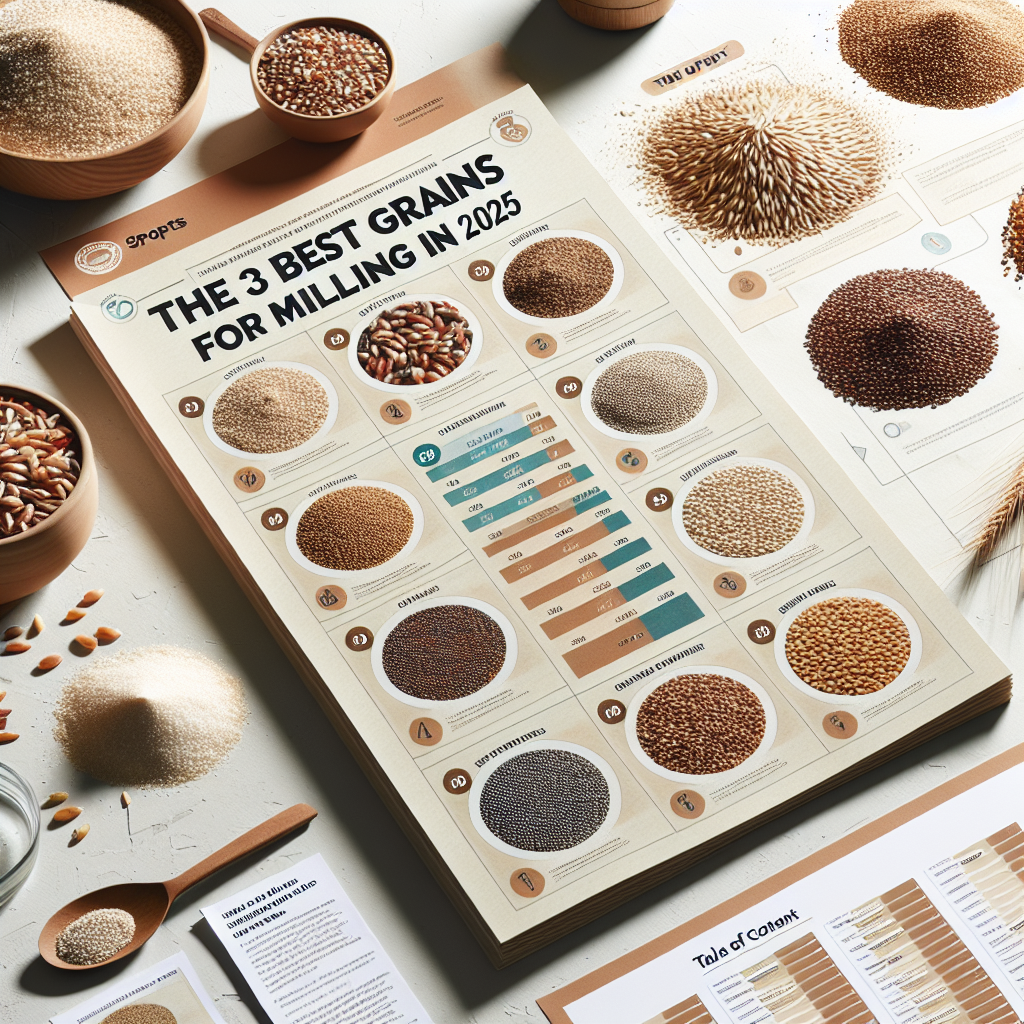
Next, feed the grains into the mill gradually. This process allows for better control over the milling and helps achieve consistent results. Monitor the output closely; if the flour is too coarse, adjust the settings accordingly. It’s also essential to keep an eye on the milling speed, as a slower speed can yield better quality flour with less heat generated.
Common mistakes include overloading the mill, which can result in uneven milling and potential damage to the equipment. Additionally, not adjusting the mill settings for different grain types can lead to subpar results. Always prioritize the quality of the grain being processed and ensure that it is stored properly before milling to maintain freshness.
Choosing the Right Grain for Milling
Selecting the right grain is fundamental to achieving the desired flour quality. Different grains serve various purposes; for instance, hard wheat is ideal for bread-making due to its high protein content, while soft wheat is better for pastries. Understanding the characteristics of each grain type can significantly impact the texture and flavor of the final product.
Prioritize the use of high-quality, fresh grains as they yield better nutritional value and flavor. When choosing grains, consider their moisture content, as overly moist grains can lead to spoilage and affect the milling process. Additionally, be aware of any contaminants or foreign materials that may affect the quality.
Another factor to consider is the grain’s intended use. For example, if you plan to make a gluten-free product, opt for grains like rice or corn, and ensure they are processed separately to avoid cross-contamination. Being intentional about your grain selection will lead to superior results in your milling endeavors.
Setting Up Your Grain Miller
Setting up your grain miller correctly is crucial for optimal performance. Start by positioning the mill on a stable, level surface to prevent vibrations during operation. Ensure that the mill is clean and free from any remnants of previous grains, as this can affect the flavor and quality of the current batch.
Adjust the mill’s settings according to the grain type and the desired fineness of the flour. Most grain millers come with a dial or lever to control the grind size. Experimenting with small batches can help you find the perfect setting. Additionally, ensure that the mill is properly calibrated according to the manufacturer’s instructions to avoid inconsistencies.
It’s also advisable to have a collection container ready to catch the milled flour. This container should be clean and dry to maintain the flour’s quality. If you’re milling large quantities, consider having multiple containers on hand to streamline the process.
Common Mistakes to Avoid
One of the most common mistakes when using grain millers is overloading the machine. Feeding too much grain at once can strain the motor and lead to uneven milling or even damage the mill. Always follow the manufacturer’s guidelines regarding the maximum grain capacity.
Another mistake is neglecting the maintenance of the mill. Failing to clean the mill regularly can lead to contamination and affect the quality of the flour produced. Ensure that you remove any residual flour or grain particles after each use and check for wear on grinding surfaces.
Many users also underestimate the importance of adjusting settings based on the grain type. Different grains require different settings for optimal milling; ignoring this can lead to poor texture and flavor in the final product. Always take the time to assess and adjust the mill settings before starting.

Maintaining Your Grain Miller
Regular maintenance of your grain miller is essential to ensure its longevity and optimal performance. Start by cleaning the mill after each use; this prevents the buildup of flour dust and residue, which can affect the machine’s efficiency and the quality of your flour.
Additionally, periodically check the grinding surfaces for wear and tear. If you notice any significant damage, consult the manufacturer for replacement parts. Lubrication may also be necessary for certain mill components, so refer to the user manual for guidance on maintenance schedules.
To wrap up, store your grain miller in a dry place to prevent rust and corrosion. Covering the mill when not in use can also help keep it free from dust and debris, ensuring that it remains in good working condition for your next milling session.
Further Reading
For those looking to deepen their understanding of grain milling and processing, consider exploring authoritative sources that provide comprehensive insights into the techniques and equipment used in this field.
Authoritative Sources
- Grain Milling: A Practical Approach
grainmilling.orgThis resource offers valuable information on the various aspects of grain milling, including techniques, equipment, and maintenance tips
Frequently Asked Questions
What types of grains can I use in a grain miller?
You can use a variety of grains, including wheat, corn, oats, and rice. Ensure the mill is suitable for the specific grain type.
How fine can I grind my grains?
The fineness of your flour depends on the mill settings; most mills allow for adjustments to achieve desired textures from coarse to fine.
How often should I clean my grain mill?
It is advisable to clean your grain mill after every use to prevent contamination and ensure optimal performance.
Can I mill gluten-free grains in the same mill?
Yes, but it’s crucial to clean the mill thoroughly before switching to gluten-free grains to avoid cross-contamination.
What should I do if my grain mill jams?
Turn off the mill immediately, remove the grain, and check for any obstructions. Clear any blockages before restarting.
Conclusion
Effectively using a grain miller requires attention to detail in grain selection, machine setup, and maintenance practices. By choosing the right grains and adjusting settings accordingly, you can achieve high-quality flour tailored to your needs. Regular cleaning and maintenance will prolong the life of your mill and enhance its performance. Prioritize these practices to ensure successful milling and enjoy the benefits of freshly ground grains in your cooking and baking.