
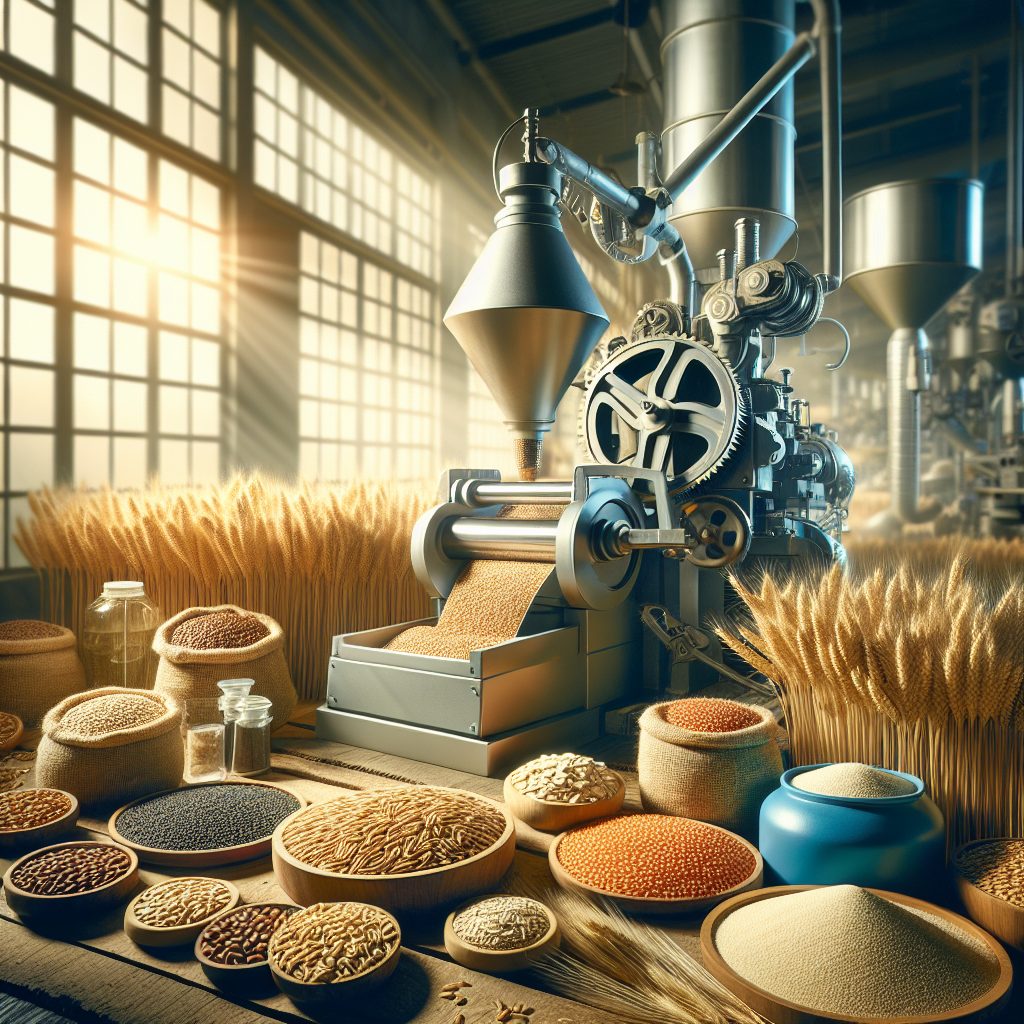
When using a grain mill, it’s crucial to consider the type of grain you are milling. Different grains have varying hardness levels, which can affect the grinding process. For example, harder grains like wheat may require a different milling approach compared to softer grains like oats. Additionally, knowing the right settings for your specific mill can help you avoid common pitfalls such as overheating the motor or producing flour that is too coarse or fine.
A frequent mistake novice users make is not pre-cleaning the mill, which can lead to contamination and off-flavors in the flour. Always ensure that your mill is free from any leftover residue from previous uses. Furthermore, understanding the moisture content of your grains can also impact the milling process. Grains that are too moist can clump and hinder proper grinding, while excessively dry grains can create dust and heat, affecting both the mill and the flour’s quality.
Selecting the Right Grain for Milling
Choosing the right grain is fundamental to achieving quality flour. Each type of grain has unique characteristics that influence the milling process. For instance, hard red wheat is ideal for bread making due to its high gluten content, while soft wheat is better suited for pastries and cakes. Understanding these differences allows you to select grains that meet your baking requirements.
When selecting grains, consider their intended use and the texture you wish to achieve. For example, if you’re looking for whole grain flour with a robust flavor, opt for grains that are less processed. Additionally, sourcing organic or locally grown grains can enhance both flavor and nutritional value. Be mindful of the grain’s age; older grains may have reduced flavor and nutritional content.
It’s also beneficial to experiment with blends of different grains to create unique flour profiles. For instance, combining spelt with wheat can yield a flavorful and nutritious flour. Keep in mind that blending grains may require adjustments to milling settings, as different grains can behave differently during the grinding process.
Adjusting Mill Settings for Optimal Grinding
The settings on your grain mill play a crucial role in the quality of the flour produced. Most mills offer adjustable settings that allow you to control the fineness of the grind. For finer flour, set the mill to a lower setting, while coarser textures can be achieved with a higher setting. Understanding your desired flour consistency is key to adjusting these settings accurately.
Before milling, it’s advisable to run a small test batch to determine the best settings for your specific grain. This practice helps you avoid the frustration of adjusting after milling a larger quantity. Additionally, some mills have specific recommendations for different grain types, which can provide a helpful starting point.
Another important factor is the speed of the mill. Slower grinding speeds can produce less heat, preserving the flour’s nutritional quality, while faster speeds can lead to overheating and nutrient loss. Prioritizing a balance between speed and fineness can enhance the overall quality of your flour.
Common Mistakes to Avoid When Using a Grain Mill
Many users encounter pitfalls when first using a grain mill, which can impact the quality of the flour produced. One common mistake is failing to clean the mill between uses, which can lead to flavor contamination. Always take the time to thoroughly clean your mill before and after each use to maintain the purity of your flour.
Another frequent error is neglecting to adjust the milling settings based on the type of grain. Each grain has different hardness levels, and using the wrong setting can result in poor flour quality or even damage to the mill. Additionally, overloading the mill can cause it to jam, leading to potential motor damage.

It’s also crucial to monitor the grinding process closely. If the flour appears too coarse, it may need to be milled again. Conversely, if it’s too fine, it may require adjusting the settings for future batches. Keeping a close eye on the process ensures you achieve the desired results every time.
Maintenance Tips for Your Grain Mill
Proper maintenance of your grain mill is essential for longevity and consistent performance. Regularly inspect the mill for any signs of wear and tear, and replace parts as necessary. Keeping the mill clean is paramount; accumulated flour dust can lead to clogs and inefficiencies.
Additionally, lubricating moving parts according to the manufacturer’s instructions can prevent mechanical issues and prolong the life of the mill. Ensure that all connections are secure and that the motor is functioning correctly. If you notice any irregular sounds or performance issues, consult the user manual or a professional for troubleshooting.
Ultimately, store your grain mill in a dry, cool place to avoid moisture damage. Proper storage conditions can help maintain the mill’s quality and ensure that it remains ready for use when you need it.
Further Reading
If you’re looking for more in-depth information about grain milling, consider checking out resources from reputable agricultural extensions or milling experts. These sources can provide you with insights into various grain types, milling techniques, and best practices for achieving the best results.
Further Reading
Authoritative Sources
- MedlinePlus
medlineplus.govConsumer-friendly medical and health information from the U.S. National Library of Medicine.
- National Institutes of Health
nih.govResearch-based health information and links to authoritative medical resources.
- Centers for Disease Control and Prevention
cdc.govOfficial public health guidance, prevention resources, and topic-specific recommendations.
- Mayo Clinic
mayoclinic.orgTrusted clinical guidance, symptom explainers, and treatment overviews.
- World Health Organization
who.intGlobal health guidance, fact sheets, and evidence-based public health information.
Frequently Asked Questions
What is the best grain to use for milling?
The best grain depends on your intended use; hard wheat is ideal for bread, while soft wheat is better for pastries.
How fine should flour be when milling?
Flour fineness should match your baking needs; for bread, aim for a finer grind, while coarser flour works for other applications.
Can I mix different grains when milling?
Yes, blending grains can create unique flour profiles; just adjust your mill settings accordingly for each type.
How often should I clean my grain mill?
Clean your grain mill before and after each use to prevent contamination and maintain flour quality.
What maintenance does a grain mill require?
Regularly inspect for wear, clean thoroughly, and lubricate moving parts as per the manufacturer’s instructions.
Conclusion
Using a grain mill effectively enhances the quality of your flour, allowing for better baking results. Prioritizing the selection of the right grain, adjusting mill settings, and maintaining your equipment are crucial steps in this process. Avoid common mistakes by cleaning your mill regularly and monitoring the grinding process closely. With these practices in place, you can enjoy freshly milled flour that elevates your culinary creations.
