
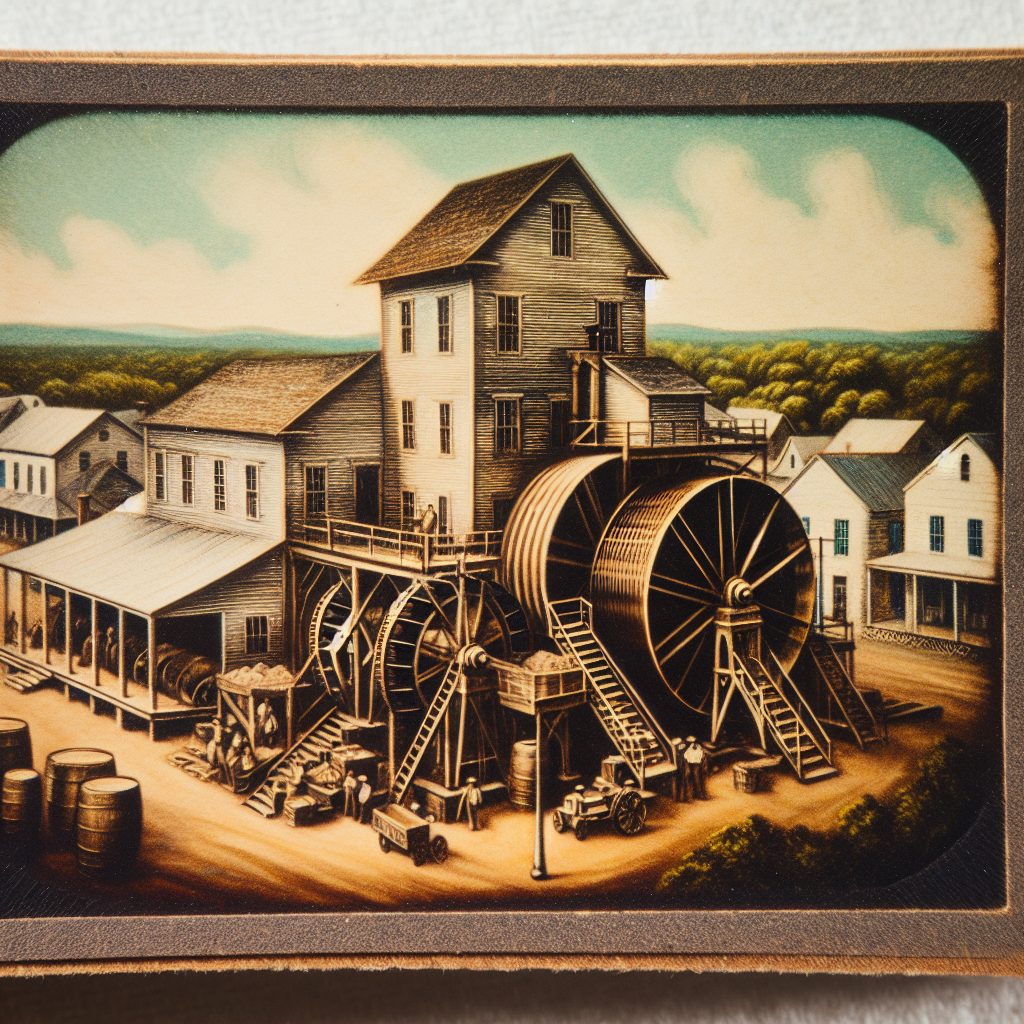
Grinding grains for health is a vital practice that enhances the nutritional profile of whole grains, enabling better absorption of essential nutrients. By milling grains into flour, you can unlock vitamins, minerals, and fiber that are often diminished in processed grains. Freshly ground grains not only provide better taste but also contribute significantly to a balanced diet, supporting overall health.
One of the primary advantages of grinding grains is the increased availability of nutrients. Whole grains contain various essential nutrients, including B vitamins, iron, magnesium, and antioxidants. However, once grains are processed and stored, their nutritional content can degrade over time. Grinding them fresh means you can enjoy the full spectrum of their health benefits. Additionally, the fiber found in whole grains is known to promote digestive health and lower the risk of chronic diseases.
Why Grinding Grains is Important
Grinding grains is essential because it preserves their natural oils and nutrients, which can be lost during commercial processing. When grains are ground at home, you control the freshness and quality of the flour, ensuring it retains its health benefits. Furthermore, whole grains are packed with antioxidants and phytochemicals that support heart health and reduce inflammation.
Many people overlook the importance of using freshly ground grains, assuming that store-bought flour is equivalent. However, it’s crucial to understand that flour begins to lose its nutritional value shortly after being milled. By grinding grains yourself, you ensure that you are getting the maximum benefits from these wholesome foods.
Methods for Grinding Grains
There are several methods for grinding grains, each with its own advantages and drawbacks. Manual grain mills are a cost-effective option for those who want to grind small amounts of grains. Electric grain mills offer convenience and efficiency for larger quantities. Additionally, high-powered blenders can also be used to grind grains, providing a versatile option for home cooks.
When choosing a grinding method, consider the volume of grains you plan to process and your budget. Manual mills are quieter and require no electricity, making them suitable for small kitchens or off-grid living. On the other hand, electric mills can handle larger quantities quickly, ideal for those who bake often.
Common Mistakes to Avoid
One common mistake when grinding grains is not adjusting the grind size according to the recipe requirements. Different baked goods require different flour textures, and using the wrong grind can affect the final product. Another mistake is neglecting to clean the mill properly, which can lead to contamination and affect the flavor of the flour.
Additionally, many people do not store their freshly ground flour correctly. To maintain freshness, store flour in an airtight container in a cool, dark place. Whole grain flour can usually be kept for several weeks, but for long-term storage, consider freezing it.

Choosing the Right Grain Mill
Selecting the right grain mill is crucial for achieving the best results when grinding grains. Consider factors such as the type of grains you plan to grind, the volume of flour you need, and your budget. There are various types of mills available, including stone, steel burr, and impact mills, each offering unique benefits.
Stone mills are known for producing a fine, consistent flour and are often preferred for their ability to retain nutrients. Steel burr mills are versatile and can handle a wide range of grains, while impact mills are fast and efficient but may generate heat that can affect the flour’s quality. Researching and testing different mills can help you find the best fit for your needs.
Frequently Asked Questions
What grains can I grind at home?
You can grind various grains at home, including wheat, oats, brown rice, barley, and corn. Each grain offers unique flavors and nutritional benefits. This answer also offers additional explanation and practical examples to enhance understanding.
How do I store freshly ground flour?
Store freshly ground flour in an airtight container in a cool, dark place. For long-term storage, consider freezing it to preserve freshness. This answer also offers additional explanation and practical examples to enhance understanding.
What is the difference between whole grain flour and all-purpose flour?
Whole grain flour contains the entire grain kernel, providing more nutrients and fiber, while all-purpose flour is refined, removing the bran and germ. This answer also offers additional explanation and practical examples to enhance understanding.
Can grinding grains at home save money?
Yes, grinding grains at home can save money over time, especially if you bake frequently, as whole grains are often cheaper than specialty flours. This answer also offers additional explanation and practical examples to enhance understanding.
Is freshly ground flour better for baking?
Freshly ground flour is often considered better for baking because it retains more nutrients and has a fresher taste, enhancing the quality of baked goods. This answer also offers additional explanation and practical examples to enhance understanding.
Conclusion
Grinding grains for health is a worthwhile practice that provides numerous nutritional benefits and enhances your culinary creations. By milling your grains at home, you ensure that you are using the freshest ingredients, maximizing their health contributions. Pay attention to the grinding method and storage practices to maintain quality. Embrace this simple yet impactful habit to improve your diet and overall well-being.
