
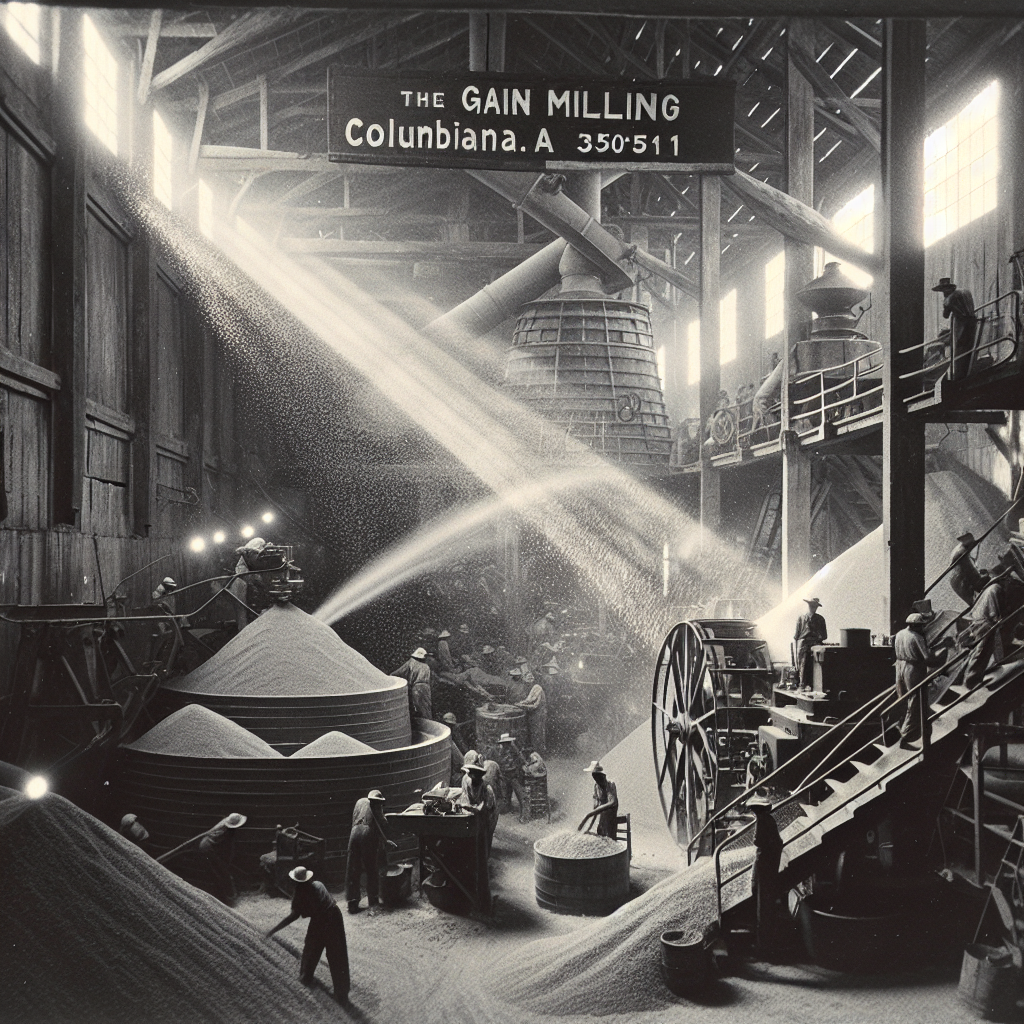
Utilizing a grain mill effectively requires understanding the different types available, such as stone or steel burr mills, and their specific applications. A common mistake is assuming all grains can be milled the same way; each type of grain may require adjustments in the milling process. Moreover, the effort involved in cleaning and maintaining the mill should not be overlooked, as it can impact the quality and taste of the final product.
Incorporating a grain mill into your kitchen routine can significantly elevate your cooking and baking. However, it’s essential to consider the initial investment and the learning curve associated with using these machines. Prioritizing which grains or products to mill based on your dietary preferences and cooking habits will help streamline your experience.
Choosing the Right Grain Mill
Selecting the right grain mill is crucial for achieving the desired texture and quality of your flour. There are primarily two types of grain mills: burr mills and impact mills. Burr mills use two plates to grind grains, providing a consistent texture, while impact mills use high-speed blades to pulverize grains, resulting in a finer flour. Understanding your specific needs, such as the types of grains you plan to mill, will guide your choice.
When deciding on a grain mill, consider factors like capacity, ease of use, and the fineness of the grind. For instance, if you plan to mill large quantities, a larger capacity mill may be beneficial. Additionally, some mills offer adjustable settings for grind size, which can be advantageous for various recipes.
Many users overlook the importance of noise level and speed. Some mills can be quite loud, which may be a concern in shared living spaces. Researching user reviews and product specifications can provide insights into these aspects, ensuring you select a mill that fits your lifestyle.
Common Grains and Their Uses
Various grains can be milled at home, including wheat, oats, corn, and rice. Each grain has unique characteristics and uses in the kitchen. For example, hard wheat is ideal for bread-making due to its high protein content, while softer wheat is better suited for pastries and cakes. Understanding these distinctions can help you make informed choices when milling.
Beyond baking, milled grains can be used in other culinary applications. Corn can be ground into polenta or cornmeal, while oats can be processed into oat flour for gluten-free baking. Keeping a diverse selection of grains on hand allows for greater creativity and health benefits in your cooking.
Often, home cooks underestimate the versatility of milled grains. Experimenting with different types can lead to discovering new flavors and textures in everyday meals. Prioritize trying whole grains, as they tend to be more nutritious and flavorful compared to their refined counterparts.
Milling Techniques for Optimal Results
To achieve the best results from your grain mill, it’s essential to follow proper milling techniques. Start by cleaning your grains to remove any impurities or debris. This step is often overlooked but can significantly affect the taste and quality of the flour.
When milling, gradually feed the grains into the mill to avoid clogging and ensure an even grind. Adjust the mill settings according to the desired fineness; for instance, finer flour is generally produced at a slower rate. Patience during this process can lead to a superior product.

Many users fail to calibrate their mills correctly, which can result in inconsistent flour quality. Testing different grind settings with small batches can help you find the perfect texture for your needs. Remember to document your findings for future reference to streamline your milling process.
Maintenance and Care for Your Grain Mill
Proper maintenance of your grain mill is vital for longevity and performance. Regularly clean the mill after use to prevent the buildup of flour residue, which can affect flavor and quality. Most mills come with cleaning instructions, so following these guidelines is essential.
Additionally, inspect the mill for any wear and tear, especially on burrs or blades, as these components are crucial for effective milling. Replacing worn parts promptly will ensure optimal performance and prevent costly repairs in the future.
A common oversight is neglecting the storage conditions for milled flour. Store it in an airtight container in a cool, dark place to maintain freshness. Proper storage can extend the shelf life of your flour and preserve its nutritional value.
Further Reading
Authoritative Sources
- The Complete Book of Grains
example.comThis resource provides an in-depth look at various grains and their culinary applications
Frequently Asked Questions
What types of grains can I mill at home?
You can mill various grains such as wheat, oats, corn, and rice, each with unique culinary applications.
How do I choose the right grain mill?
Consider factors like the type of grains you plan to mill, desired grind fineness, capacity, and ease of use when selecting a grain mill.
What are the benefits of using freshly milled flour?
Freshly milled flour retains more nutrients and flavor compared to store-bought flour, enhancing the quality of your baked goods.
How can I maintain my grain mill?
Regularly clean your mill after use, inspect for wear, and follow the manufacturer’s maintenance guidelines to ensure longevity and performance.
Can I mill spices in a grain mill?
Yes, many grain mills can also grind spices, enhancing the flavor of your dishes with freshly ground ingredients.