
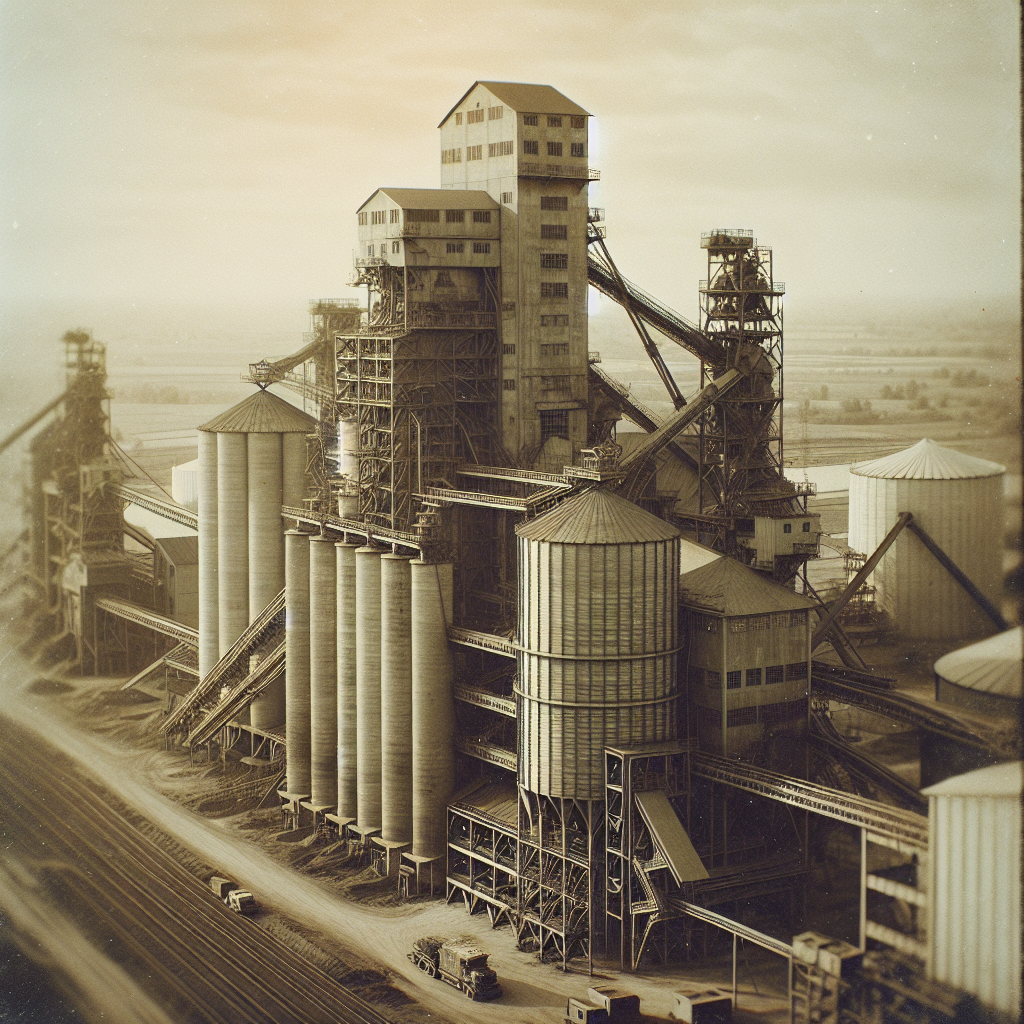
Effective grain mill maintenance involves not only routine cleaning but also vigilance against common pitfalls. Many users overlook the importance of monitoring the condition of grinding stones, which can degrade performance if not replaced timely. Additionally, neglecting lubrication can lead to increased friction and wear, resulting in costly repairs. Prioritizing these aspects can save time and money in the long run.
It’s also vital to establish a maintenance schedule that fits your mill’s usage. Frequent use may require more regular checks, while infrequent use can still benefit from periodic inspections. A common mistake is assuming that a lack of visible issues means no maintenance is needed. Regular assessments can catch minor problems before they escalate.
Cleaning the Grinding Chamber
Regular cleaning of the grinding chamber is essential to prevent contamination and maintain the quality of the milled grain. Dust and residue can accumulate, affecting both the flavor and safety of your products. A thorough cleaning process involves removing any leftover grain and using a brush or vacuum to eliminate fine particles.
Failing to clean the grinding chamber can lead to rancid flavors and reduced efficiency due to buildup. To avoid this, make cleaning a part of your routine, especially after heavy use. It’s also wise to check for any signs of mold or spoilage, which can occur if moisture is present.
Consider creating a checklist for cleaning tasks, which can help reinforce the importance of this step. Many users find that setting a cleaning reminder on a calendar or using a log can help establish a routine that ensures cleanliness and optimal performance.
Inspecting Grinding Stones
The grinding stones are crucial for the mill’s function, and regular inspection is necessary to ensure they remain effective. Look for signs of wear such as uneven surfaces or cracks, which can compromise the milling process.
Replacing worn stones is essential for maintaining the quality of the flour produced. Dull stones can lead to overheating, which affects both the grain and the mill itself. Users often underestimate the impact of stone condition on overall performance, leading to subpar results.
To prioritize this task, consider scheduling inspections every few months, or more frequently if the mill is used heavily. Keeping a spare set of grinding stones can also mitigate downtime in case of unexpected wear.
Lubrication of Moving Parts
Proper lubrication of moving parts is vital for reducing friction and preventing wear on the mill’s components. Regularly check the manufacturer’s recommendations for lubrication intervals and types of lubricants suitable for your specific model.
Neglecting lubrication can lead to overheating and mechanical failures, which may require costly repairs or replacements. Many users overlook this step, assuming that machines will operate smoothly without regular maintenance.

Establish a routine that includes checking lubrication levels during each cleaning session. Keeping a record of when lubricants were last applied can help ensure this critical task is not forgotten.
Establishing a Maintenance Schedule
Creating a maintenance schedule tailored to your grain mill’s usage can significantly enhance its performance and longevity. This schedule should include regular cleaning, inspections, and lubrication tasks.
Many users fail to establish a consistent schedule, leading to sporadic maintenance that can result in operational issues. Regular checks help catch potential problems before they become serious, saving time and resources.
To create an effective schedule, consider factors such as usage frequency and the type of grain being milled. Using a calendar app or maintenance log can make it easier to track tasks and ensure nothing is overlooked.
Further Reading
Authoritative Sources
- Grain Mill Maintenance Best Practices
example.comThis resource provides comprehensive guidelines on maintaining various types of grain mills
Frequently Asked Questions
How often should I clean my grain mill?
It is recommended to clean your grain mill after each use to prevent buildup and contamination.
What are the signs that my grinding stones need replacing?
Look for uneven surfaces, cracks, or a decrease in milling efficiency as indicators that it’s time to replace the stones.
What type of lubricant should I use for my grain mill?
Always refer to the manufacturer’s guidelines for the appropriate type of lubricant for your specific model.
Can neglecting maintenance damage my grain mill?
Yes, neglecting maintenance can lead to serious damage, reduced efficiency, and increased repair costs.
How can I establish a maintenance schedule for my grain mill?
Consider your usage frequency and set reminders for cleaning, inspections, and lubrication tasks to keep your mill in top shape.
Conclusion
To wrap up, regular maintenance of your grain mill is essential for ensuring its longevity and optimal performance. Prioritize cleaning the grinding chamber, inspecting grinding stones, and lubricating moving parts. Establish a maintenance schedule that fits your usage pattern to avoid costly repairs and inefficiencies. By following these grain mill maintenance tips, you can ensure your equipment remains effective and reliable for years to come.