
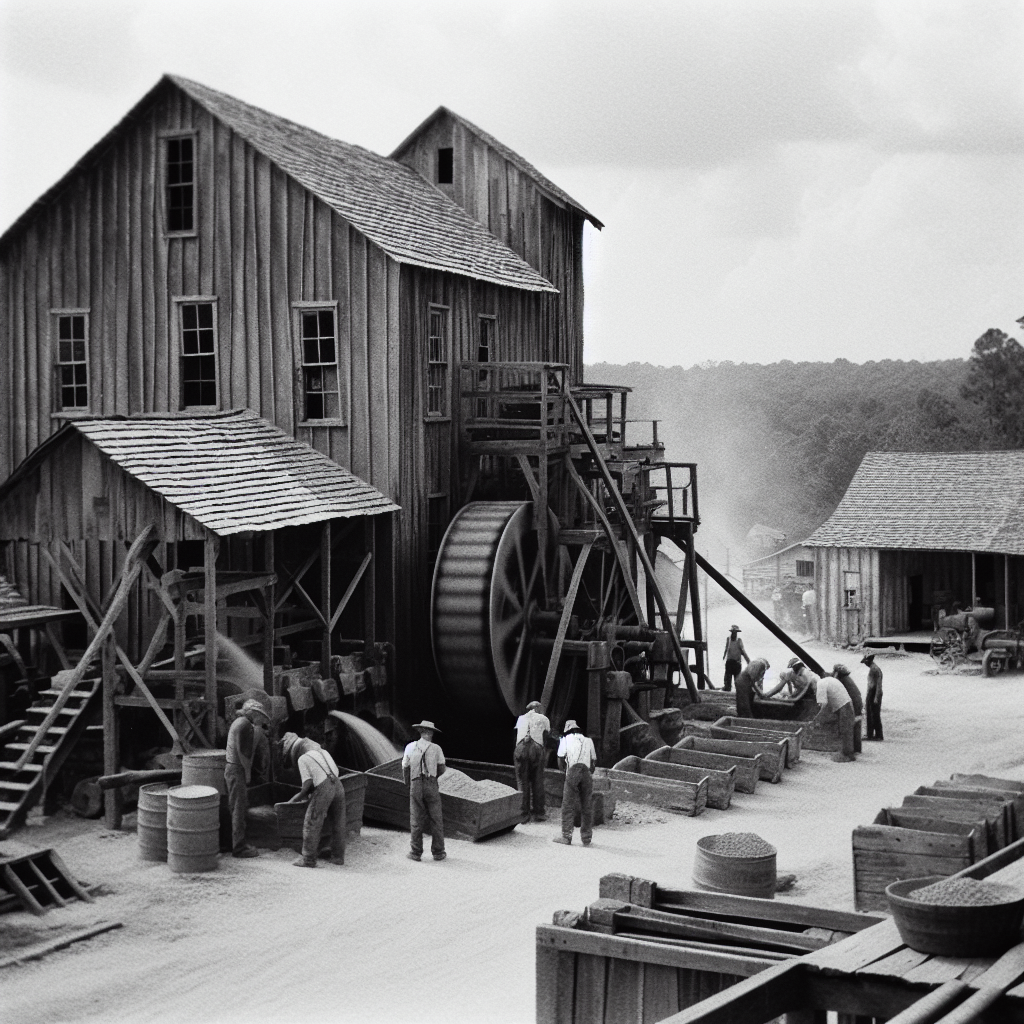
Grain refining significantly diminishes the nutritional value of grains by removing the bran and germ, which are rich in essential nutrients and healthy compounds. This process results in the loss of dietary fiber, vitamins such as B vitamins, and minerals like iron and magnesium.
For instance, while refined grains like white bread and pasta are more palatable and have a longer shelf life, they often lack the beneficial compounds found in whole grains. Whole grains not only support digestive health due to their higher fiber content but also help in regulating blood sugar levels and providing sustained energy. Choosing whole grains can help mitigate the health risks associated with a diet high in refined grains.
The Refining Process Explained
The refining process involves milling grains to remove the outer layers, specifically the bran and germ, leaving only the starchy endosperm. This method enhances the appearance and shelf life of grains but sacrifices much of their nutritional content. For instance, during the milling of wheat, essential nutrients are lost, which can lead to deficiencies when refined grains dominate the diet.
It is essential to recognize that while some nutrients are added back into refined grains (such as iron and certain B vitamins), these do not fully compensate for the loss of fiber and other beneficial compounds. Thus, opting for minimally processed whole grains is a more effective way to ensure a nutrient-dense diet.
Nutritional Differences Between Whole and Refined Grains
Whole grains retain all parts of the grain kernel, providing a wealth of nutrients, including fiber, antioxidants, and essential fatty acids. In contrast, refined grains are often devoid of these nutrients, leading to a less balanced diet. Studies indicate that diets rich in whole grains are linked to a lower risk of chronic diseases such as heart disease and type 2 diabetes.
To make better dietary choices, consider incorporating a variety of whole grains such as oats, quinoa, brown rice, and whole wheat products. These alternatives not only enhance nutritional intake but also contribute to improved digestive health and better blood sugar management.
Health Risks Associated with Refined Grains
Consuming a high amount of refined grains can lead to several health issues, including obesity, type 2 diabetes, and cardiovascular diseases. The lack of fiber in refined grains can result in poor digestive health and increased risk of constipation. Furthermore, refined grains often lead to rapid spikes in blood sugar levels, which can contribute to insulin resistance over time.
To mitigate these risks, it is advisable to limit the intake of refined grains and focus on whole grain options. This shift can help maintain better overall health and reduce the likelihood of developing chronic diseases.
Frequently Asked Questions
What are the main nutrients lost during grain refining?
The main nutrients lost during grain refining include fiber, B vitamins, iron, magnesium, and antioxidants, which are primarily found in the bran and germ.
Can refined grains still be part of a healthy diet?
While refined grains can be consumed occasionally, it’s important to prioritize whole grains for their superior nutritional benefits and to maintain a balanced diet.
How can I identify whole grains in products?
Look for terms like “100% whole grain” or “whole wheat” on labels. Ingredients should list whole grains as the first item to ensure you’re choosing a whole grain product.
What are some examples of whole grains?
Examples of whole grains include brown rice, quinoa, barley, oats, and whole wheat products. These options provide more nutrients than their refined counterparts.
What health benefits are associated with whole grains?
Whole grains are linked to various health benefits, including improved heart health, better digestion, and a reduced risk of chronic diseases like diabetes and obesity.
Further Reading
Authoritative Sources
- Refined Grains and Nutrient Loss
symphonynutrition.comStripped of nutrients and fiber during the manufacturing process, refined grains remove the bran, endosperm and germ. Secondly, refining grain ...
- Grain processing and nutrition
pubmed.ncbi.nlm.nih.govWhile refining, that is, removal of the bran and the germ, reduces the nutrient content of grain, milling of grains otherwise concentrates desirable grain ...
- Whole Grains - The Nutrition Source
nutritionsource.hsph.harvard.eduWhole grains offer a “complete package” of health benefits, unlike refined grains, which are stripped of valuable nutrients in the refining process. All whole ...
- Effect of Germination Time on the Content of Nutritional and ...
journal.pan.olsztyn.plGermination can be considered an important process for modifying quinoa seeds' nutritional and bioactive compounds.
Conclusion
In closing, grain refining does remove many healthy plant compounds, significantly impacting the nutritional value of grains. To enhance your diet, opt for whole grains that retain their fiber, vitamins, and minerals, supporting overall health. By making informed choices and prioritizing whole grains, you can avoid the health risks associated with refined grains and improve your well-being.