
The key reasons for this difference stem from the natural oils, enzymes, and nutrients present in the flour right after milling. When grains are milled, they release essential oils that contribute to a richer flavor and aroma, which diminishes over time as the flour is stored. Additionally, the freshness of the flour can lead to better baking performance, providing improved texture and rise in baked goods.
One of the primary distinctions of fresh milled flour is its higher lipid content, which contributes to its unique flavor profile. These lipids are essential for flavor development and can enhance the overall taste of bread, pastries, and other baked items. Furthermore, the natural enzymes present in freshly milled flour help in the fermentation process, resulting in better dough elasticity and structure. It’s important to note that the flavor and baking characteristics of flour can vary significantly depending on the grain type and milling method used.
Flavor Differences Between Fresh and Store-Bought Flour
Fresh milled flour often exhibits a more complex flavor compared to its store-bought counterparts. The freshness allows for the retention of natural oils and nutrients that can enhance the overall taste of baked goods. In contrast, store-bought flour may have undergone processing that strips away these flavorful components. As a result, baked goods made with fresh milled flour can have a richer, more robust flavor profile.
When baking with fresh milled flour, it is crucial to consider the grain variety. Different grains impart distinct flavors; for example, whole wheat flour can offer a nuttier taste, while spelt flour may provide a mild sweetness. Additionally, the freshness of the flour can significantly affect the final product—breads, for instance, may rise better and have a more appealing crust when made with fresh flour. A common mistake is assuming that all flours behave the same way in recipes; understanding the nuances of each type can lead to better results.
Impact of Milling Methods on Taste
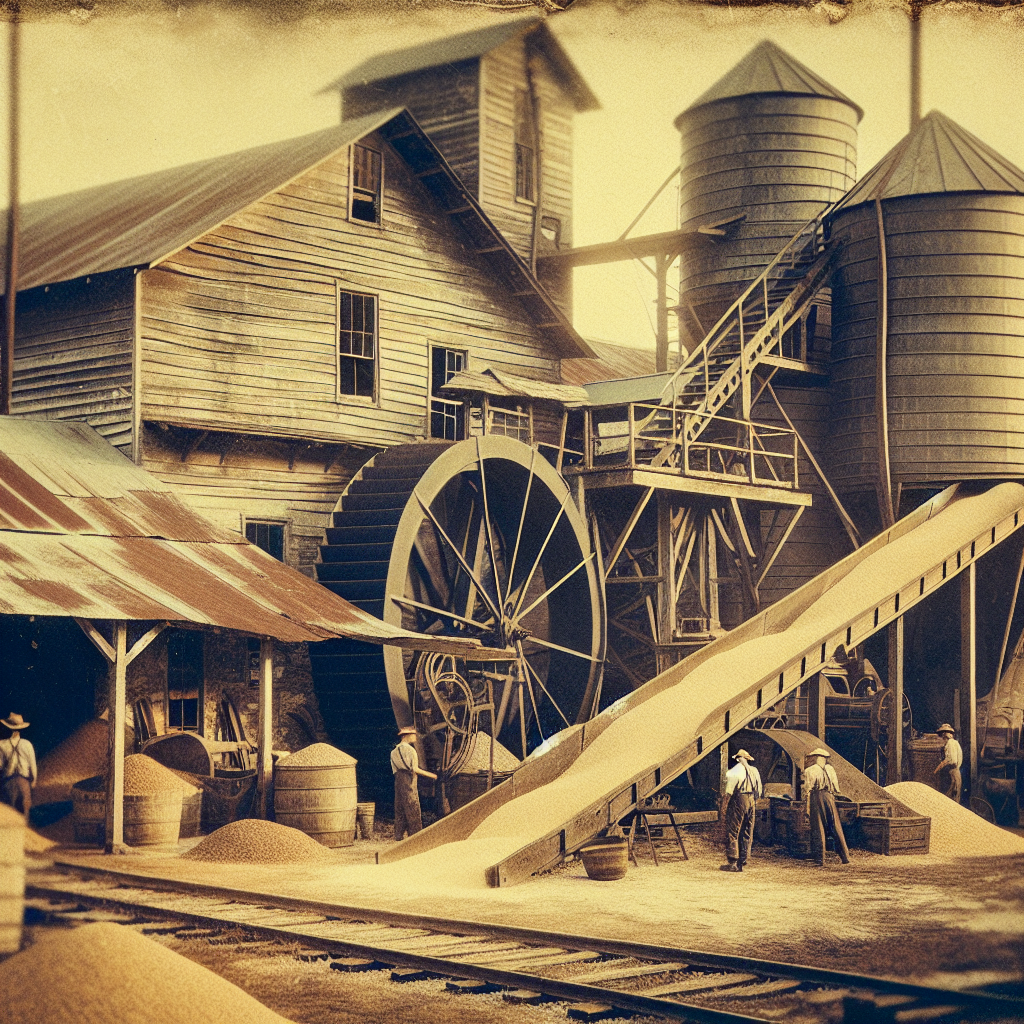
The method of milling can greatly influence the flavor and quality of the flour. Traditional stone milling tends to preserve more of the grain’s natural oils and nutrients, leading to a more flavorful product. In contrast, modern roller milling can produce a finer texture but may strip away some of the flavor components. This difference in milling methods can be a deciding factor for bakers looking for specific tastes and textures in their final products.
Choosing the right milling method is essential for those who prioritize flavor. For example, stone-ground flour retains more of the grain’s character, making it preferable for artisanal baking. However, it is important to note that stone-milled flour may have a shorter shelf life due to its higher oil content, which can go rancid over time. Proper storage is key to maintaining its flavor and quality.
Baking with Fresh Milled Flour: Tips and Techniques
Baking with fresh milled flour requires some adjustments to standard recipes. Since fresh flour contains more moisture, bakers may need to reduce the liquid in their recipes slightly. Additionally, the increased protein content can lead to a different texture, so experimenting with hydration levels is often necessary to achieve the desired outcome.
Another technique to consider is adjusting fermentation times. Fresh flour may ferment more quickly due to the active enzymes, which can affect the dough’s rise. Monitoring the dough closely during the fermentation process is essential to avoid over-proofing. Many bakers find that incorporating fresh milled flour into their routine enhances their baking and allows for a more personalized flavor profile.
The benefits of using fresh milled flour are gaining recognition among bakers and health enthusiasts. Exploring resources that delve into the nutritional aspects and practical applications of fresh flour can enhance understanding and appreciation for its unique qualities.

Conclusion
All in all, fresh milled flour offers distinct flavor advantages over conventional flour, making it a valuable ingredient for any baker. The choice of grain, milling method, and proper storage all play vital roles in preserving the unique taste and baking qualities of fresh flour. By understanding these factors and adjusting recipes accordingly, bakers can enhance their baked goods and enjoy the rich flavors that fresh milled flour provides. Prioritizing freshness and quality will lead to better baking outcomes and a more enjoyable culinary experience.