
Moreover, many consumers mistakenly believe that enriched flour is a healthy substitute for whole grains. This misconception can lead to dietary imbalances, particularly in populations that consume large amounts of refined products without adequate whole grain intake. Therefore, it’s advisable to include a variety of whole grains in your diet to ensure comprehensive nutritional benefits and to mitigate the potential risks associated with relying on enriched flour.
Yes, enriched does Flour Replace Lost Grain Nutrients? Understanding Nutritional Impacts and Alternatives because refining whole grains and adding back certain nutrients that were lost during milling.
Nutritional Composition of Enriched Flour
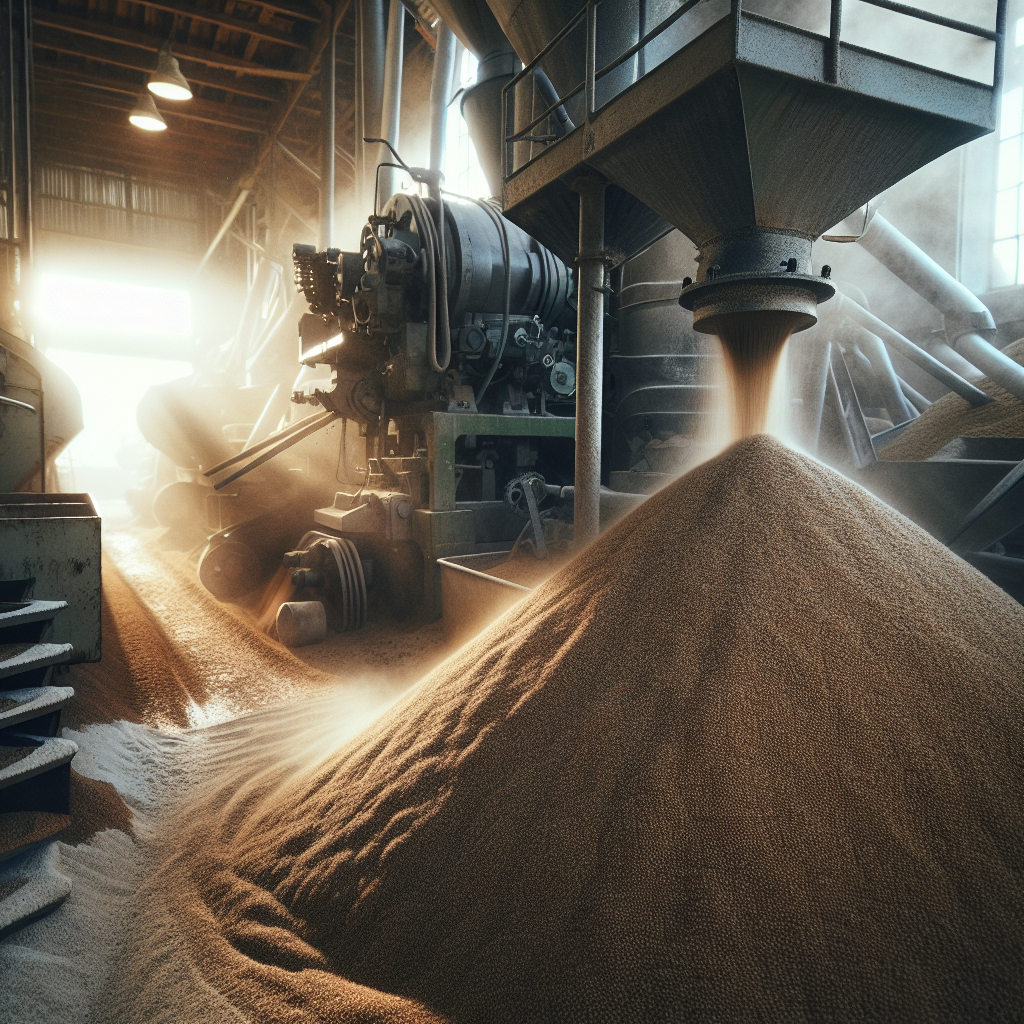
Enriched flour is produced by refining whole grains and adding back certain nutrients that were lost during milling. Typically, this includes B vitamins and iron, which are crucial for metabolic processes and oxygen transport in the body. However, the process neglects the restoration of fiber and various antioxidants found in whole grains.
Without adequate fiber, enriched flour can lead to digestive issues and may not promote satiety as effectively as whole grains. Therefore, while enriched flour provides some essential nutrients, it does not replicate the complete nutritional profile of whole grains.
Health Implications of Using Enriched Flour
Using enriched flour can have both positive and negative health implications. On one hand, it can help prevent certain nutrient deficiencies in populations that may not consume enough vitamins and minerals. On the other hand, an over-reliance on enriched flour can contribute to health issues such as obesity and diabetes due to its higher glycemic index and lower fiber content.
Moreover, the lack of fiber associated with enriched flour can lead to increased hunger and subsequent overeating, which further exacerbates weight management issues. It is essential to balance the intake of enriched products with whole grains to support overall health.
Alternatives to Enriched Flour
To ensure a diet rich in nutrients, consider incorporating whole grain alternatives to enriched flour. Options such as whole wheat flour, oat flour, and spelt flour not only provide fiber but also a wider range of vitamins and minerals. These alternatives can enhance the nutritional value of baked goods and other dishes.
Additionally, experimenting with gluten-free options like almond flour, coconut flour, or chickpea flour can diversify your nutrient intake while catering to specific dietary needs. By prioritizing these alternatives, you can achieve a more balanced and healthful diet.
FDA Food Labeling Guide
fda.gov
This resource provides comprehensive information on food labeling, including details on enriched flour and its nutritional content.

Frequently Asked Questions
What nutrients are added back to enriched flour?
Enriched flour typically has B vitamins such as thiamine, riboflavin, niacin, and iron added back after processing.
Is enriched flour healthier than whole grain flour?
No, whole grain flour retains more nutrients and fiber compared to enriched flour, making it a healthier choice.
Can I replace enriched flour with whole wheat flour in recipes?
Yes, you can often substitute whole wheat flour for enriched flour, but it may alter the texture and flavor of the final product.
What are the risks of consuming too much enriched flour?
Consuming excessive amounts of enriched flour can lead to nutritional deficiencies, weight gain, and increased risk of chronic diseases.
How can I ensure a balanced diet?
To maintain a balanced diet, include a variety of whole grains, fruits, vegetables, and lean proteins while limiting processed foods.
Conclusion
Ultimately, while enriched flour does provide some essential nutrients, it fails to replace the complete range of nutrients found in whole grains. To optimize your health, prioritize whole grains in your diet, as they offer fiber and a broader spectrum of vitamins and minerals. By understanding the limitations of enriched flour and incorporating whole grain alternatives, you can enhance your nutritional intake and support overall well-being.