How to Use Coarse Whole Wheat Flour in Bread Recipes for Better Texture and Rise
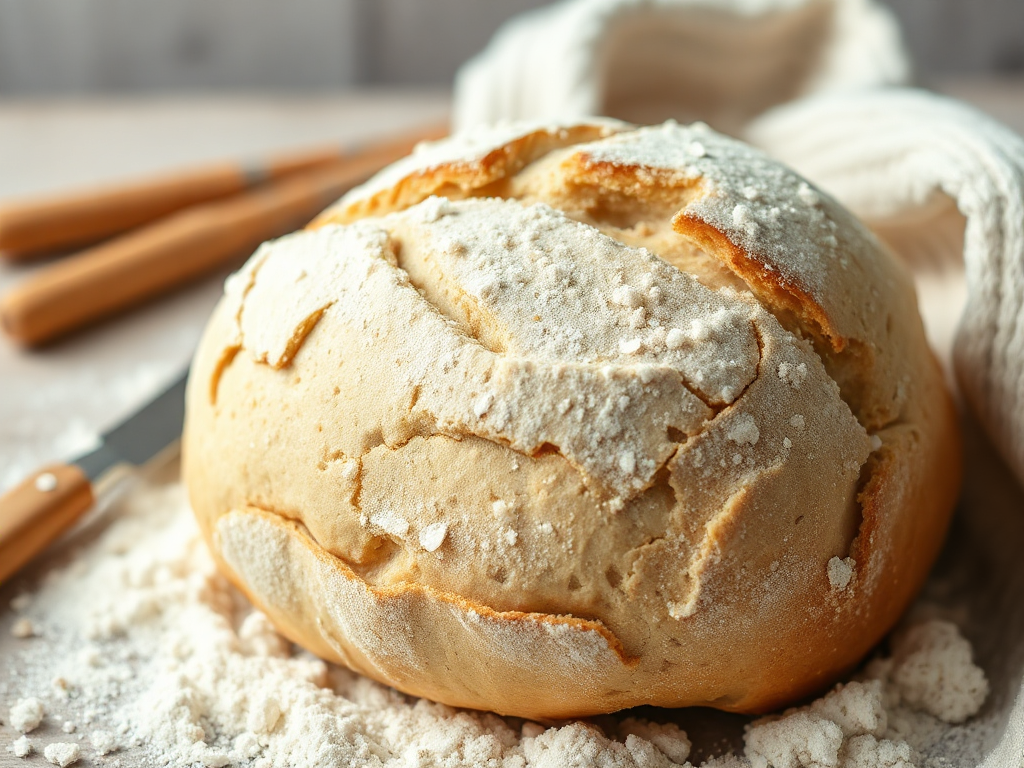
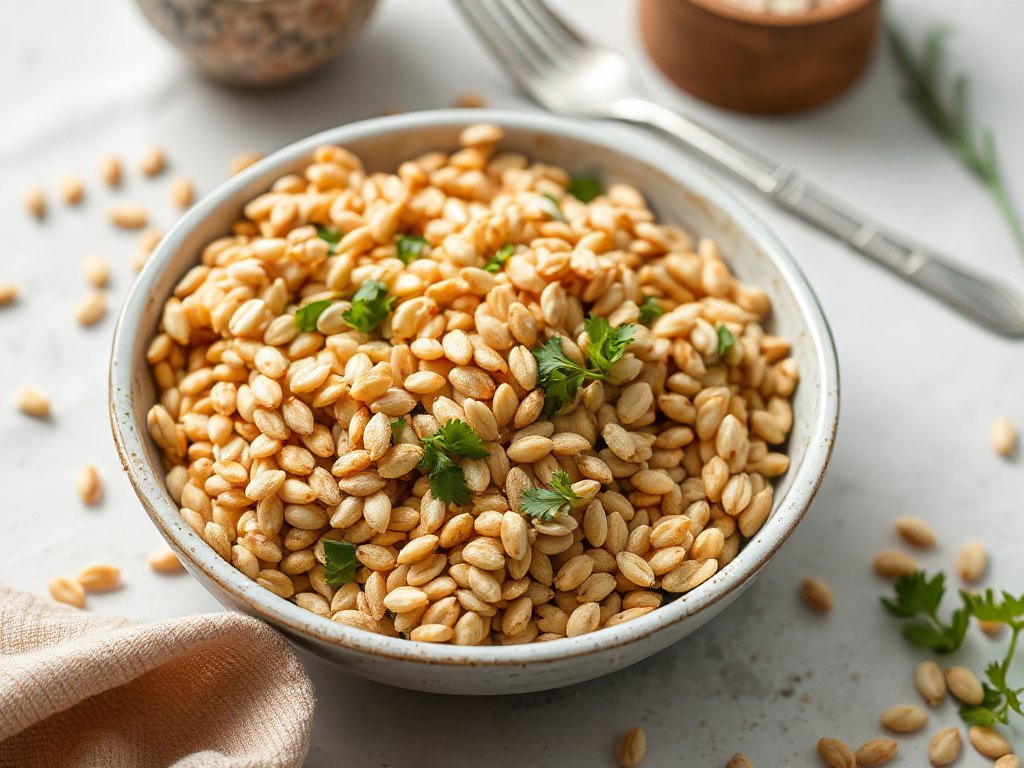
Use coarse whole wheat flour in bread recipes by soaking it first, increasing the dough’s water gradually, and allowing extra time for hydration before judging the texture. The larger bran particles absorb moisture slowly and can interrupt gluten development, so a short autolyse or overnight soaker usually produces a less…

Read More

What Moisture Level Is Best for Milling Wheat Berries? Signs, Testing, and Storage

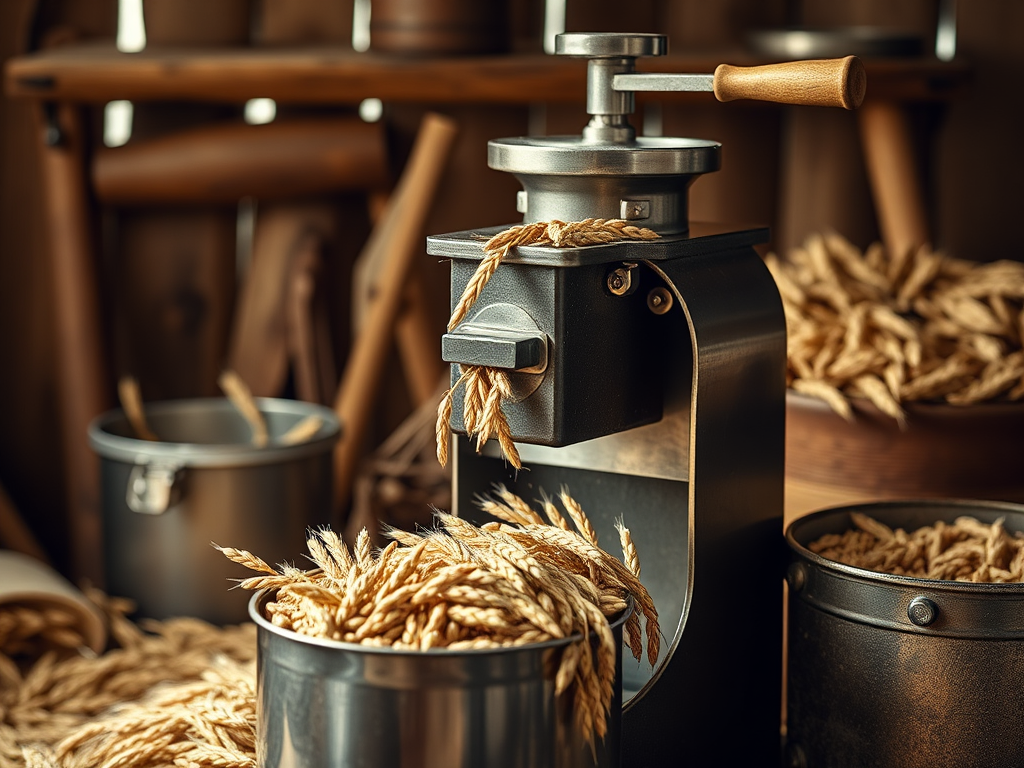
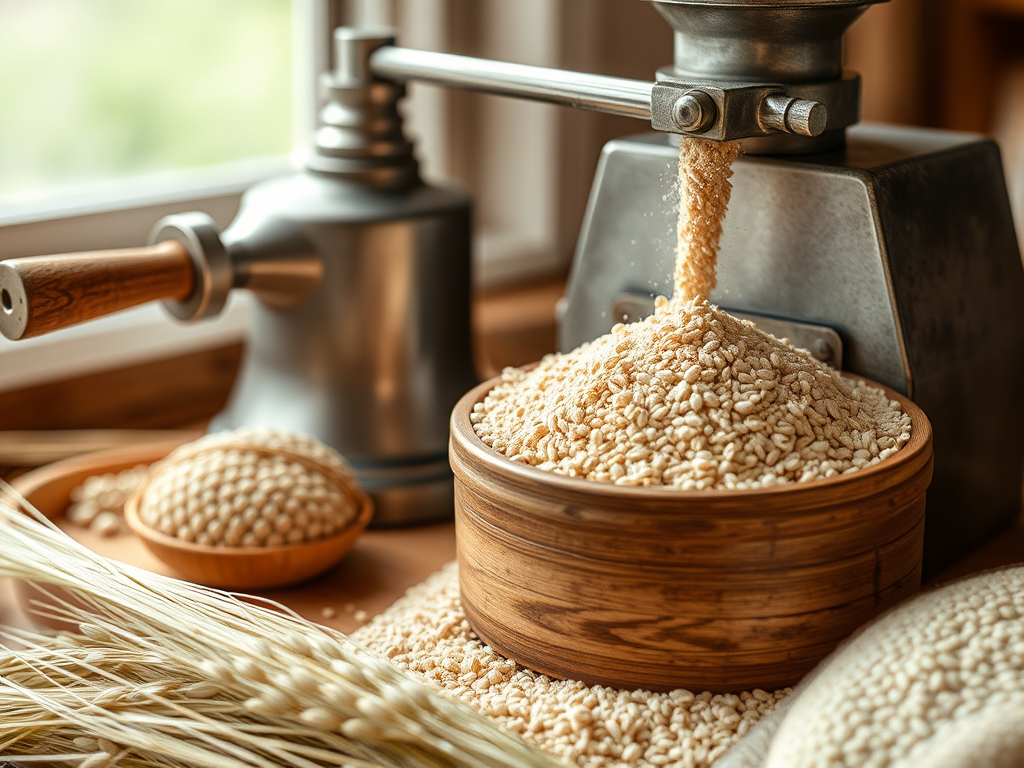
Wheat berries are generally best for milling when they are dry, free-flowing, and close to their normal storage moisture rather than freshly dampened; for home use, a moisture reading around 10–14% is a practical target.

Read More

Can Oily Grains Damage a Grain Mill? Foods, Warning Signs, and Safer Milling Steps

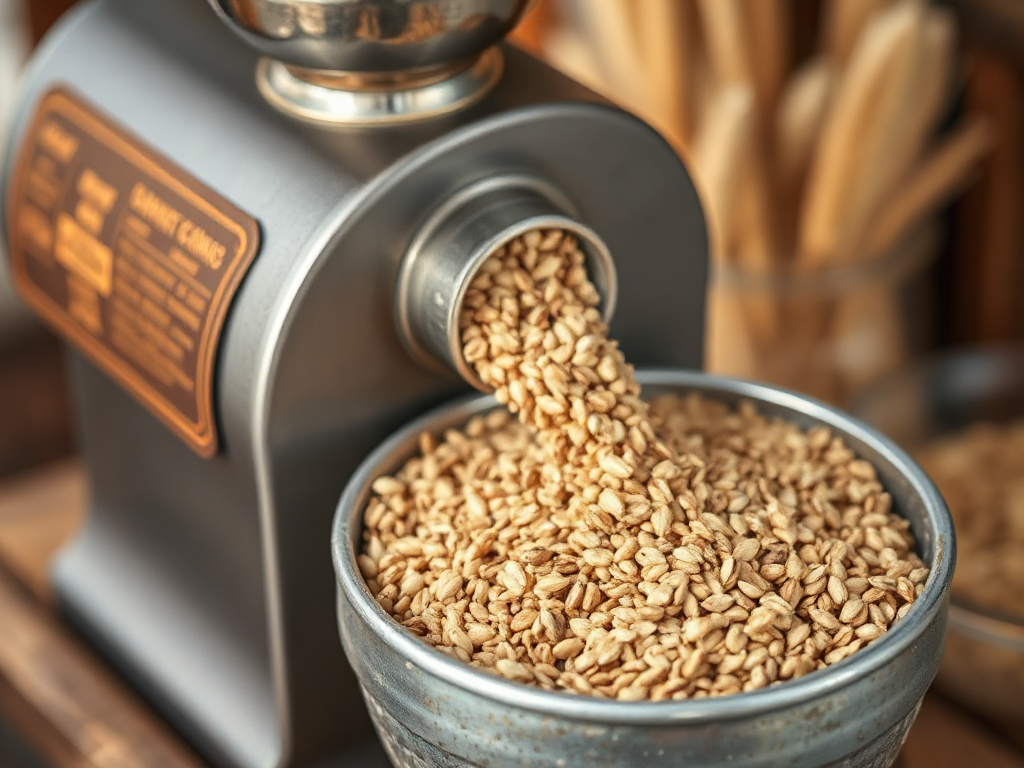
Yes, oily grains can damage a grain mill when their fat coats the grinding mechanism, causes clumping, restricts airflow, or forces the motor to work harder than designed. High-fat foods such as flaxseed, sesame, sunflower seeds, peanuts, and some corn varieties are more likely to leave residue than dry wheat or rice.

Read More