Does milling temperature affect flour nutrient quality.
Does Milling Temperature Affect Flour Nutrient Quality: Key Factors and Implications
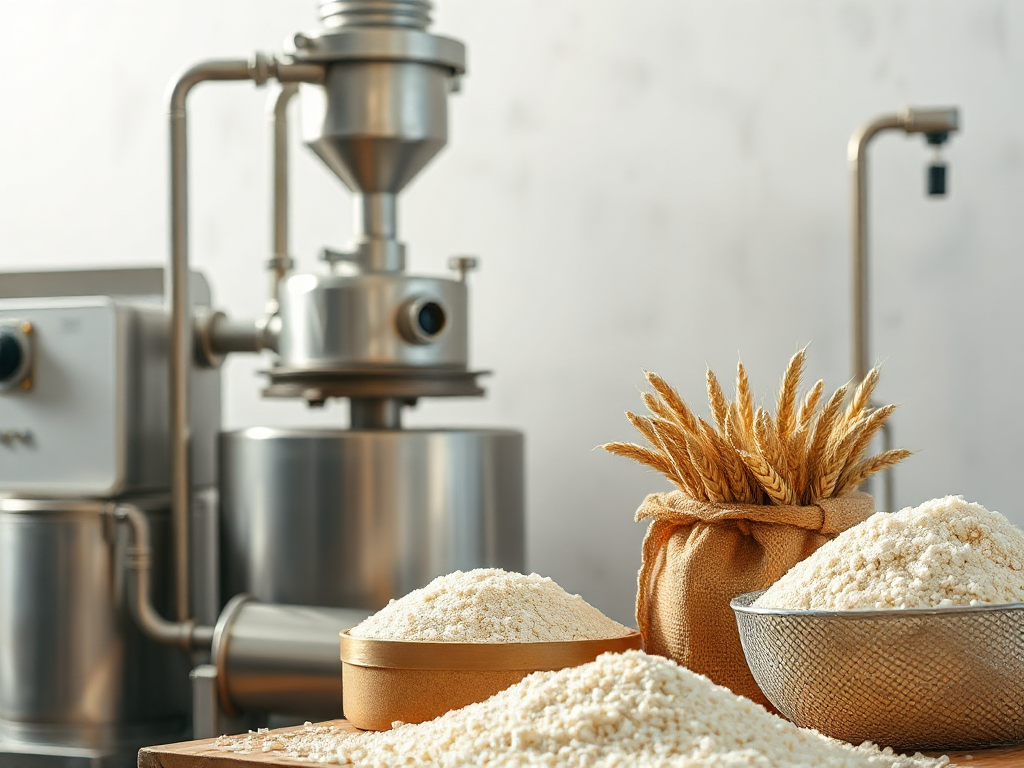

Does milling temperature affect flour nutrient quality.
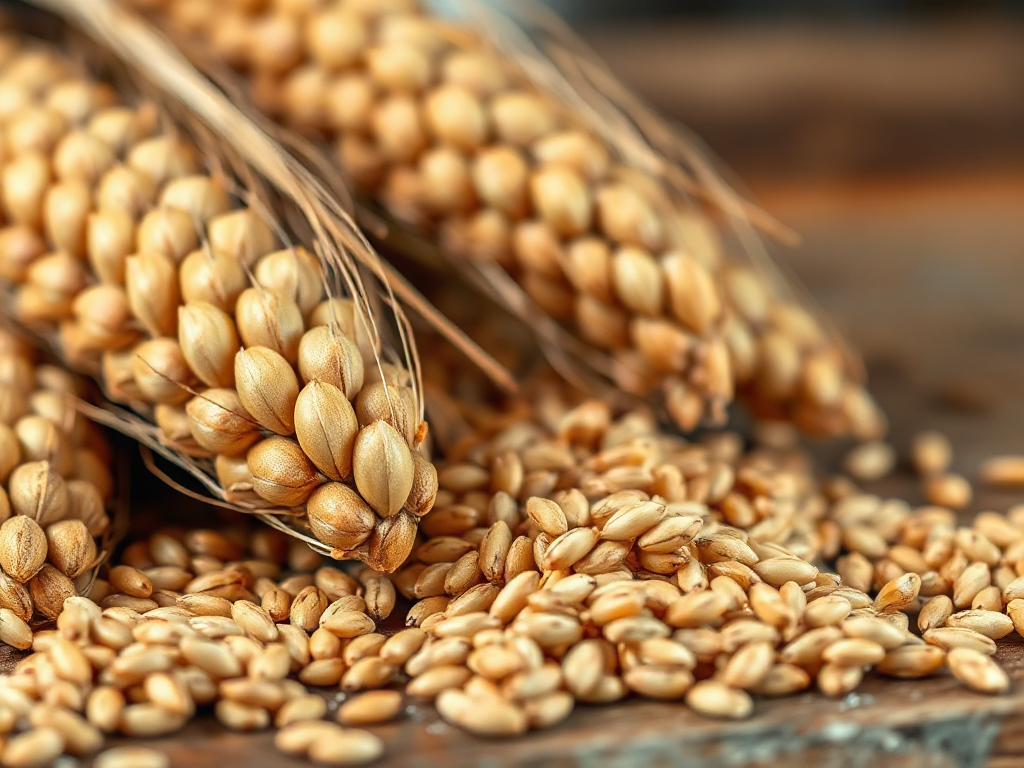
The bran is the outer layer, rich in fiber and nutrients, while the germ contains.
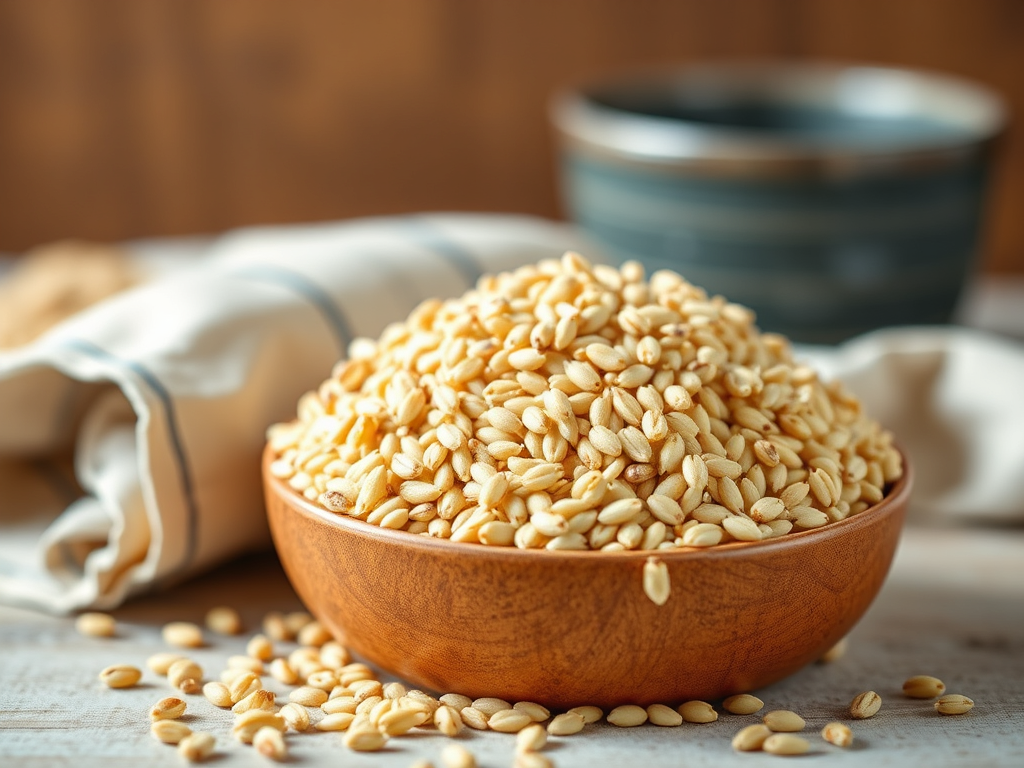
Whole grains are rich in both soluble and insoluble fiber, which helps to add bulk to the stool and facilitate its passage through the digestive tract.
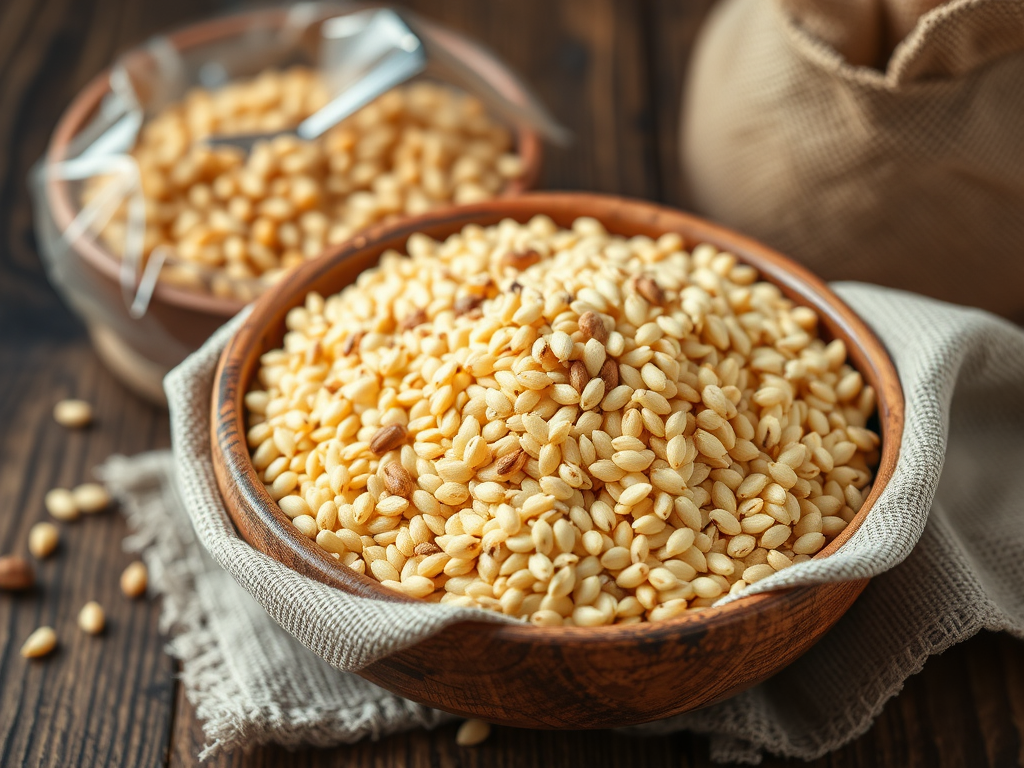
Certain grains can enhance this sensation due to their nutritional composition.
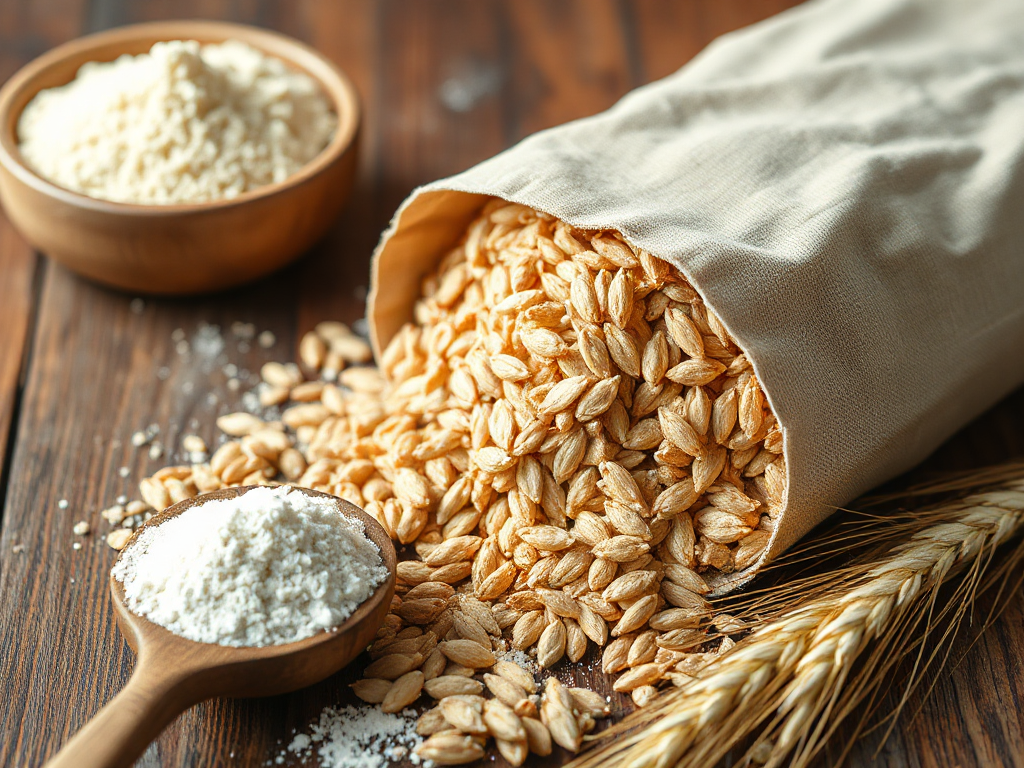
Whole wheat flour is made from the entire wheat kernel, including the bran, germ, and endosperm.
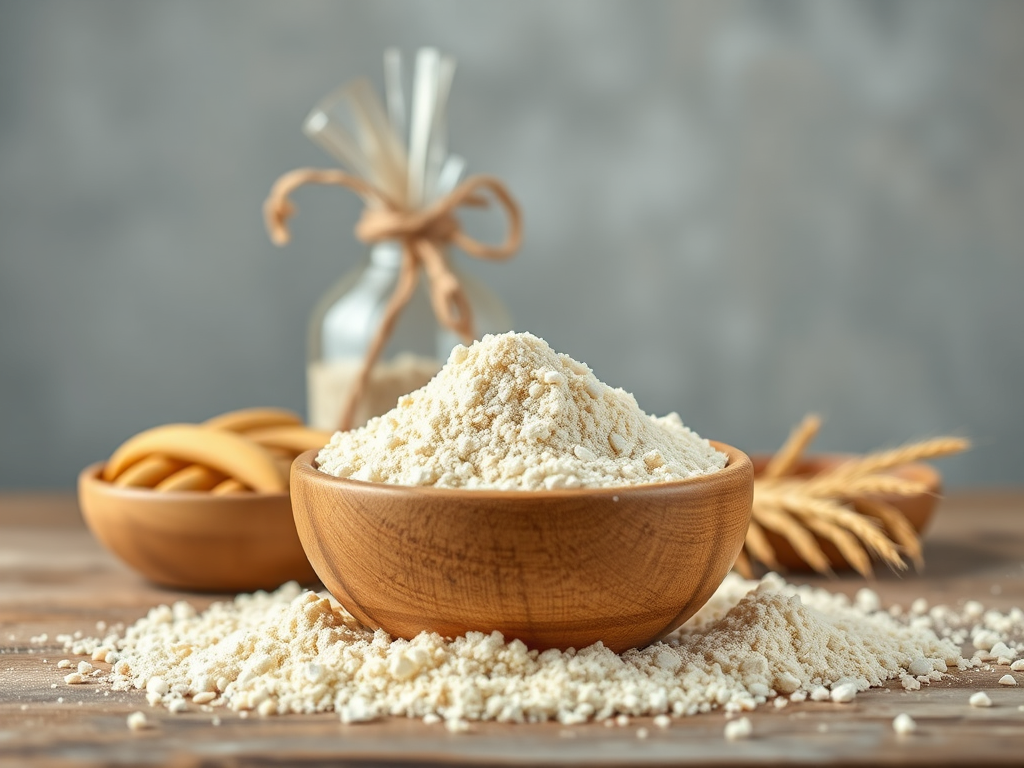
What makes freshly milled flour nutritionally different.
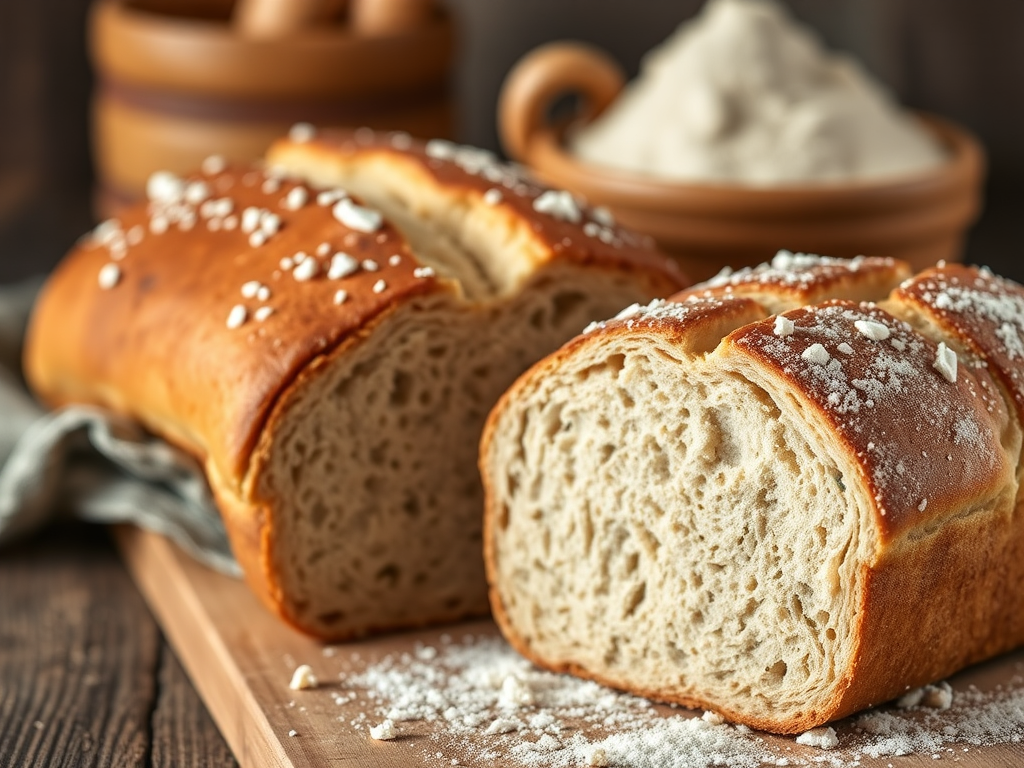
Can stone milled flour improve bread flavor.
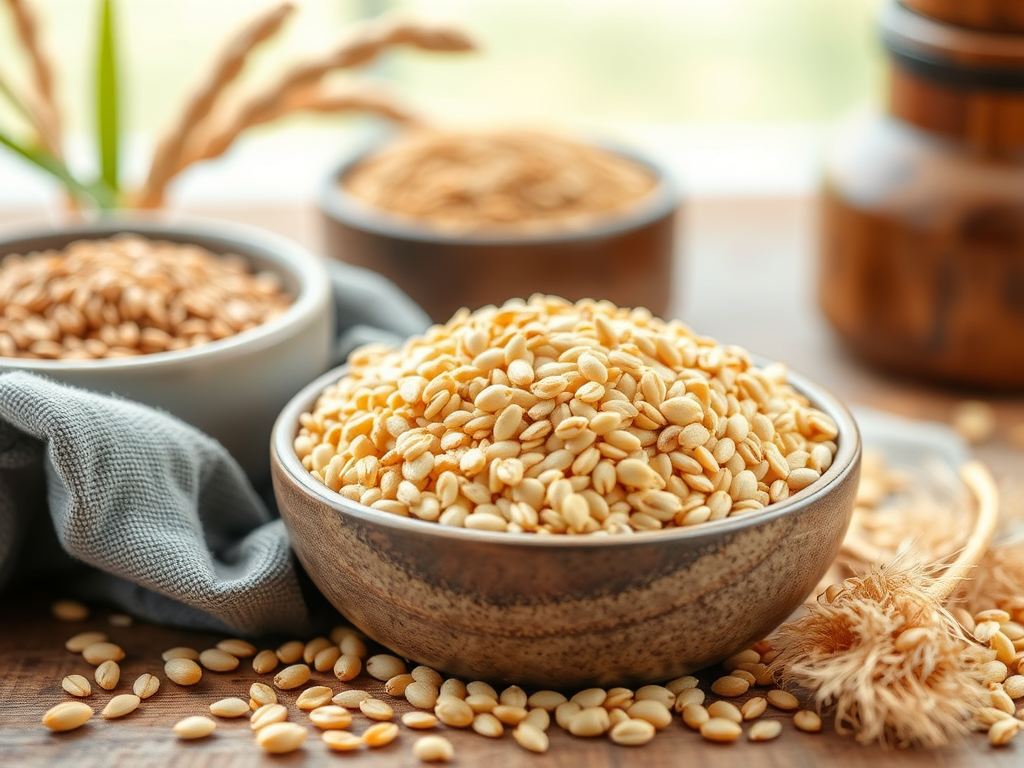
Whole grains provide essential nutrients that strengthen immune responses, reduce inflammation, and promote gut health, which is vital for immunity.
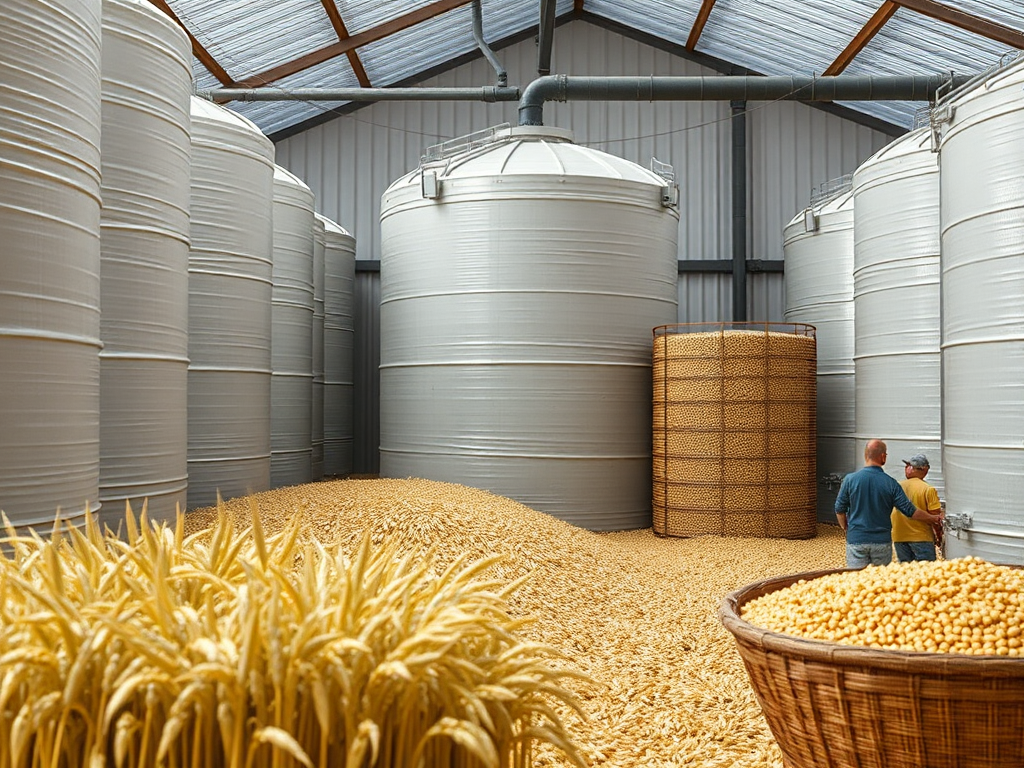
Does grain storage affect nutrient preservation levels.
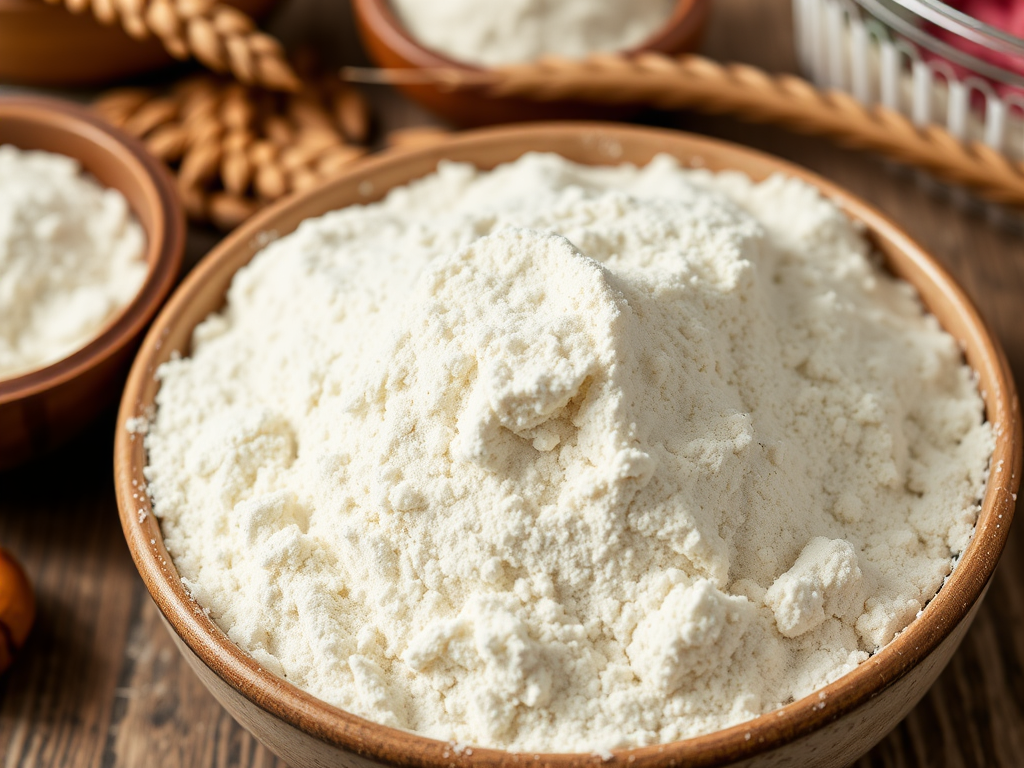
Whole grain flour is made by milling the entire grain kernel, which includes three critical parts: the bran, germ, and endosperm.