
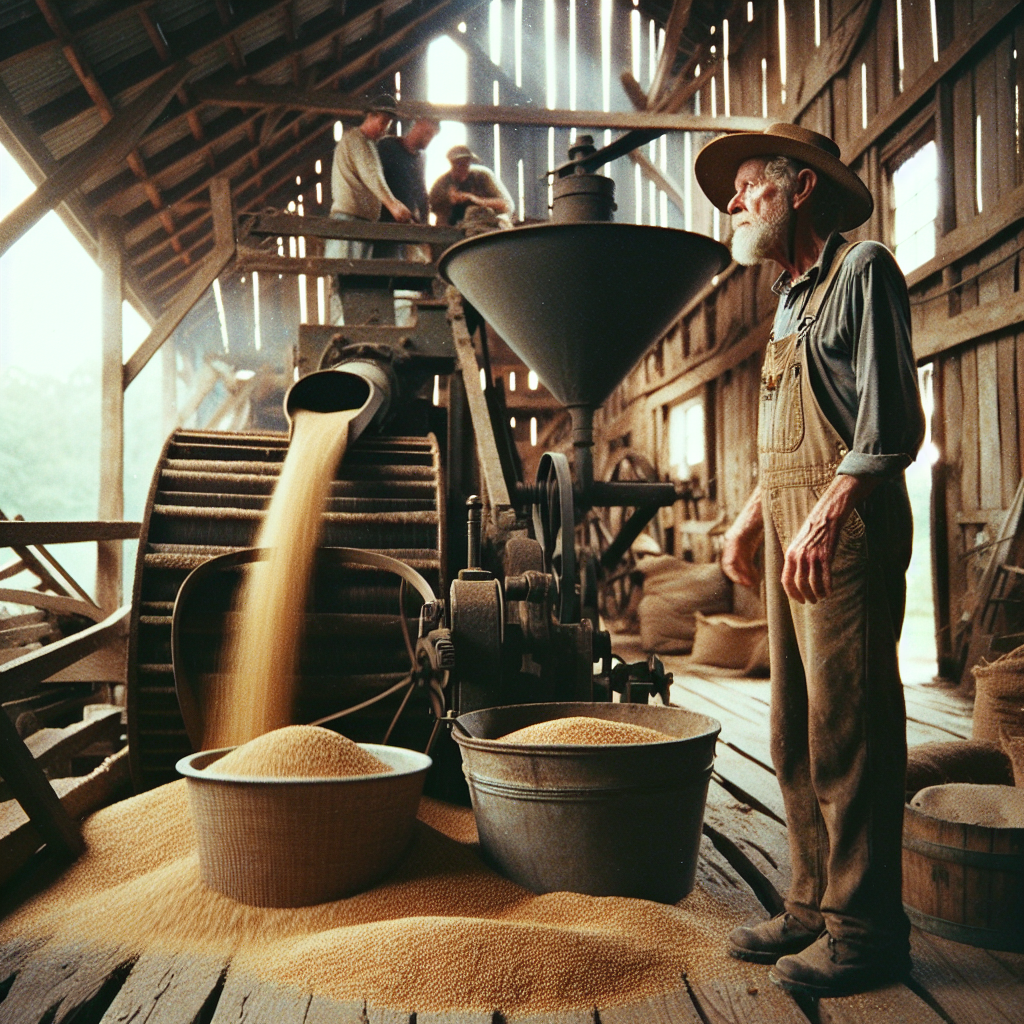
Whole grains have been shown to effectively lower cholesterol levels, primarily through their rich content of soluble fiber. This type of fiber binds to cholesterol in the digestive system, helping to remove it from the body and thereby reducing LDL cholesterol levels, commonly referred to as ‘bad’ cholesterol. Foods such as oats, barley, and brown rice are particularly high in soluble fiber and can significantly contribute to heart health when included in a balanced diet.
Incorporating whole grains into your meals can provide multiple health benefits beyond cholesterol reduction. They are packed with essential nutrients such as vitamins, minerals, and antioxidants, which play a role in overall cardiovascular health. However, it’s important to consider that not all whole grain products are created equal. Many processed whole grain foods can contain added sugars and unhealthy fats, which may negate their health benefits. Therefore, focusing on minimally processed whole grains is key to achieving optimal results.
Understanding Cholesterol and Its Impact on Health
Cholesterol is a waxy substance found in your blood that is necessary for building cells, but high levels can lead to heart disease. There are two main types of cholesterol: LDL (low-density lipoprotein) and HDL (high-density lipoprotein). LDL is often labeled as ‘bad’ cholesterol because it can lead to plaque buildup in arteries, increasing the risk of heart attacks and strokes. Maintaining healthy cholesterol levels is crucial for long-term cardiovascular health.
Understanding how dietary choices impact cholesterol levels is vital. Saturated and trans fats, commonly found in processed foods, can raise LDL levels, while foods rich in fiber and healthy fats can help lower them. Thus, incorporating whole grains is a practical step towards managing cholesterol and improving heart health.
How Whole Grains Affect Cholesterol Levels
Whole grains contain soluble fiber, which plays a crucial role in lowering cholesterol levels. Soluble fiber binds to cholesterol in the digestive tract, preventing its absorption and promoting its excretion. This process can lead to a significant reduction in LDL cholesterol. Additionally, whole grains are rich in phytosterols, compounds that resemble cholesterol and can further inhibit its absorption.
Incorporating a variety of whole grains such as oats, quinoa, and bulgur into your daily meals can enhance your fiber intake and support heart health. Research indicates that consuming just three servings of whole grains daily can lower the risk of heart disease by 25%. However, the timing and method of consumption also matter; pairing whole grains with healthy fats and proteins can provide the best outcomes for cholesterol management.
Incorporating Whole Grains into Your Diet
To effectively lower cholesterol levels, aim to include whole grains in every meal. Start your day with a bowl of oatmeal topped with fruits and nuts. For lunch, consider a quinoa salad or a whole grain wrap filled with lean proteins and vegetables. Dinner can feature brown rice or whole grain pasta paired with a variety of vegetables and healthy fats, such as olive oil or avocado.
When shopping for grains, look for products labeled as ‘100% whole grain’ or ‘whole grain’ as the first ingredient. Avoid items that contain refined grains or added sugars. Experimenting with different grains can also keep meals interesting and satisfying, making it easier to maintain a healthy diet.
Common Mistakes to Avoid
While incorporating whole grains is beneficial, there are common pitfalls to be aware of. One mistake is assuming that all products labeled as ‘whole grain’ are healthy. Many processed foods may still contain high levels of sugar or unhealthy fats. Another mistake is not paying attention to portion sizes; even healthy foods can contribute to weight gain if consumed in excess, which can negatively impact cholesterol levels.
Furthermore, neglecting to balance whole grains with other food groups, such as vegetables, fruits, and proteins, can limit their benefits. It’s essential to create a well-rounded diet that includes a variety of foods to support overall health and effective cholesterol management.

For those looking to dive deeper into the relationship between whole grains and cholesterol, consider exploring resources from reputable health organizations and academic research.
Frequently Asked Questions
How do whole grains lower cholesterol?
Whole grains lower cholesterol primarily through their soluble fiber content, which binds to cholesterol and helps remove it from the body.
What are some examples of whole grains?
Examples of whole grains include oats, quinoa, brown rice, barley, and whole wheat.
How much whole grain should I eat daily?
It is recommended to consume at least three servings of whole grains daily for optimal health benefits, including cholesterol management.
Can whole grains help with weight loss?
Yes, whole grains can aid in weight loss by promoting satiety and reducing overall calorie intake when incorporated into a balanced diet.
Are all whole grain products healthy?
No, not all whole grain products are healthy. Many processed whole grain foods can contain added sugars and unhealthy fats.
Conclusion
Incorporating whole grains into your diet can significantly lower cholesterol levels, contributing to better heart health. By focusing on whole, minimally processed grains and pairing them with a variety of other healthy foods, you can create a balanced diet that supports your overall health. Remember to be mindful of portion sizes and avoid processed options that can undermine your efforts. Prioritizing whole grains is a practical step towards managing cholesterol effectively and enhancing your well-being.