
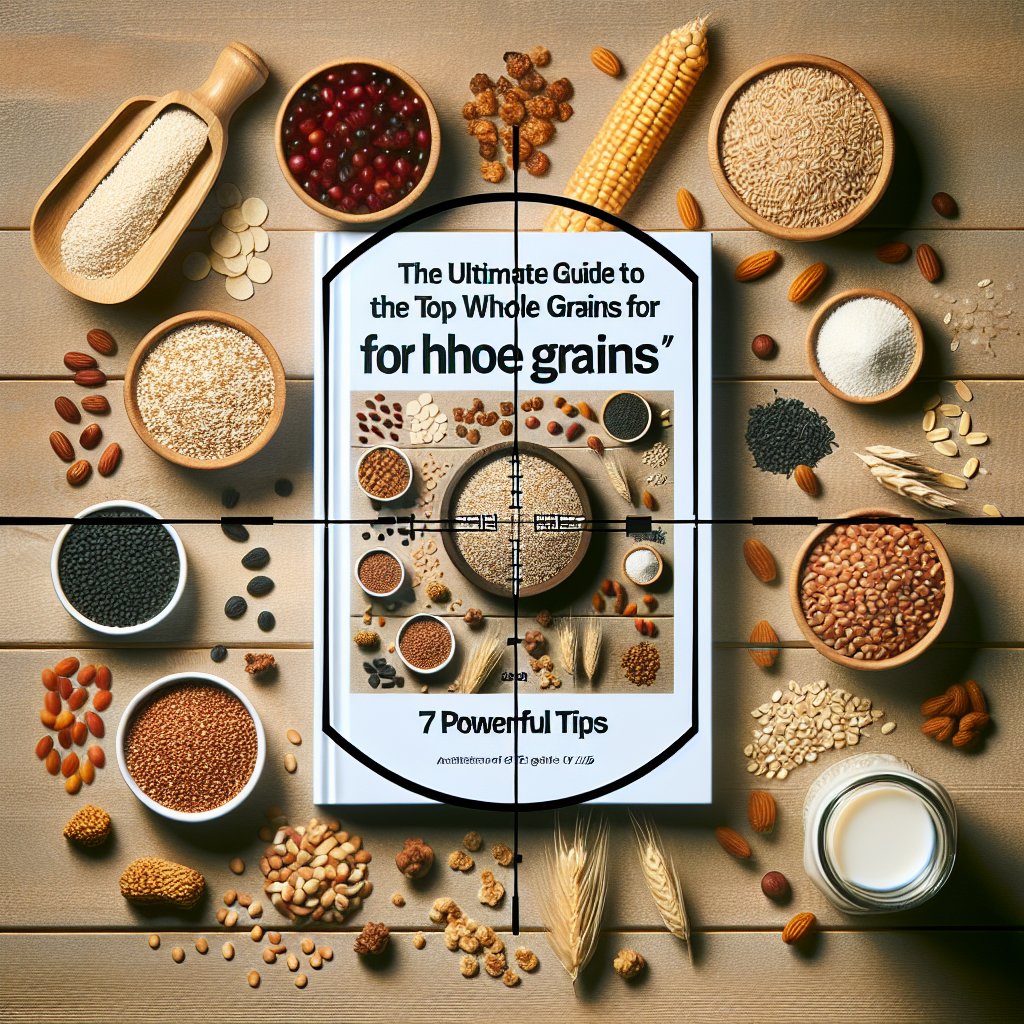
Incorporating whole grains into your diet can significantly impact your digestive system. The soluble fiber found in oats and barley helps to slow digestion and can improve nutrient absorption, while insoluble fiber from brown rice and whole wheat promotes the movement of food through the digestive tract. This balance is essential for maintaining overall gut health and preventing digestive disorders.
However, it’s important to consume whole grains mindfully. Some individuals may experience bloating or discomfort if they suddenly increase their fiber intake. Gradually introducing these foods while ensuring adequate hydration can help mitigate such issues. Additionally, pairing whole grains with other fiber-rich foods, such as fruits and vegetables, can further enhance their digestive benefits.
Why Whole Grains Matter for Digestion
Whole grains are integral to digestive health because they provide essential nutrients and fiber that help regulate bowel movements. The fiber in whole grains acts as a prebiotic, feeding beneficial gut bacteria and promoting a healthy microbiome. This balance is vital for optimal digestion and overall health.
Moreover, whole grains can reduce the risk of developing digestive disorders such as irritable bowel syndrome (IBS) and diverticulitis. Their high fiber content helps to maintain a healthy gut lining and supports the production of short-chain fatty acids, which are beneficial for gut health. Understanding the importance of whole grains can lead to better dietary choices and improved digestive well-being.
Many people overlook the significance of fiber in their diets. It’s crucial to prioritize fiber intake and choose whole grains over refined grains. This shift can significantly enhance digestive health and prevent common gastrointestinal issues.
Top Whole Grain Foods to Boost Digestive Health
Several whole grain foods are particularly beneficial for digestion. Oats, for example, are rich in beta-glucan, a type of soluble fiber that can help lower cholesterol and improve gut health. Quinoa is another excellent choice, providing all nine essential amino acids along with fiber, making it a complete protein source that supports digestive health.
Other notable whole grains include brown rice, which is high in both fiber and magnesium, and barley, known for its high fiber content that helps maintain regular bowel movements. Incorporating a variety of these grains into your diet can help ensure you reap the full benefits for your digestive system.
It’s also beneficial to consider the preparation methods. Cooking whole grains properly can enhance their digestibility. Soaking grains before cooking can reduce phytic acid levels, improving nutrient absorption and making them easier on the digestive system.
Common Mistakes When Adding Whole Grains
One common mistake people make when incorporating whole grains into their diet is adding too much fiber too quickly. A sudden increase in fiber can lead to bloating, gas, and discomfort. It’s essential to gradually increase your intake while also drinking plenty of water to help your digestive system adjust.
Another mistake is assuming all whole grains are created equal. Not all products labeled as whole grain are truly beneficial. It’s important to read ingredient labels carefully and choose products that list whole grains as the first ingredient without added sugars or preservatives.

To wrap up, neglecting to pair whole grains with other nutrient-dense foods can limit their effectiveness. To maximize the benefits of whole grains, combine them with fruits, vegetables, and healthy fats.
How to Incorporate Whole Grains into Your Diet
Incorporating whole grains into your diet can be simple and enjoyable. Start by replacing refined grains with whole grains in your meals. For example, choose brown rice instead of white rice, or opt for whole grain bread instead of white bread. Experimenting with different grains such as farro, millet, and buckwheat can add variety to your meals.
Consider preparing meals in advance using whole grains. Cook a large batch of quinoa or brown rice at the beginning of the week and use it as a base for salads, stir-fries, or grain bowls. This not only saves time but also ensures you have healthy options readily available.
Lastly, don’t forget about snacks. Whole grain snacks, such as popcorn or whole grain crackers, can be a great way to ensure you’re getting enough fiber throughout the day. Making small changes to your diet can lead to significant improvements in your digestive health.
Further Reading
For readers looking to deepen their understanding of whole grains and their impact on digestion, consider exploring official dietary guidelines from health organizations or reputable nutrition websites. These resources can provide valuable insights and practical tips for incorporating whole grains into daily meals.
Further Reading
Authoritative Sources
- MedlinePlus
medlineplus.govConsumer-friendly medical and health information from the U.S. National Library of Medicine.
- National Institutes of Health
nih.govResearch-based health information and links to authoritative medical resources.
- Centers for Disease Control and Prevention
cdc.govOfficial public health guidance, prevention resources, and topic-specific recommendations.
- Mayo Clinic
mayoclinic.orgTrusted clinical guidance, symptom explainers, and treatment overviews.
- World Health Organization
who.intGlobal health guidance, fact sheets, and evidence-based public health information.
Frequently Asked Questions
What are whole grain foods?
Whole grain foods are those that contain all parts of the grain kernel, including the bran, germ, and endosperm, providing more nutrients and fiber than refined grains.
How do whole grains improve digestion?
Whole grains enhance digestion by providing dietary fiber, which promotes regular bowel movements and supports a healthy gut microbiome.
Can I eat too many whole grains?
Yes, consuming too many whole grains too quickly can lead to digestive discomfort. It’s best to gradually increase your intake while staying hydrated.
What are some examples of whole grain foods?
Examples of whole grain foods include oats, brown rice, quinoa, barley, and whole wheat products.
How can I add whole grains to my diet?
You can add whole grains by replacing refined grains with whole grains in meals, preparing them in advance, and choosing whole grain snacks.
Conclusion
Whole grain foods are vital for maintaining optimal digestive health. By understanding their benefits and incorporating them thoughtfully into your diet, you can enhance your gut function and overall well-being. Focus on gradually increasing your fiber intake, selecting high-quality whole grain options, and pairing them with other nutritious foods. This approach will help you reap the maximum benefits of whole grains and support a healthier digestive system.