
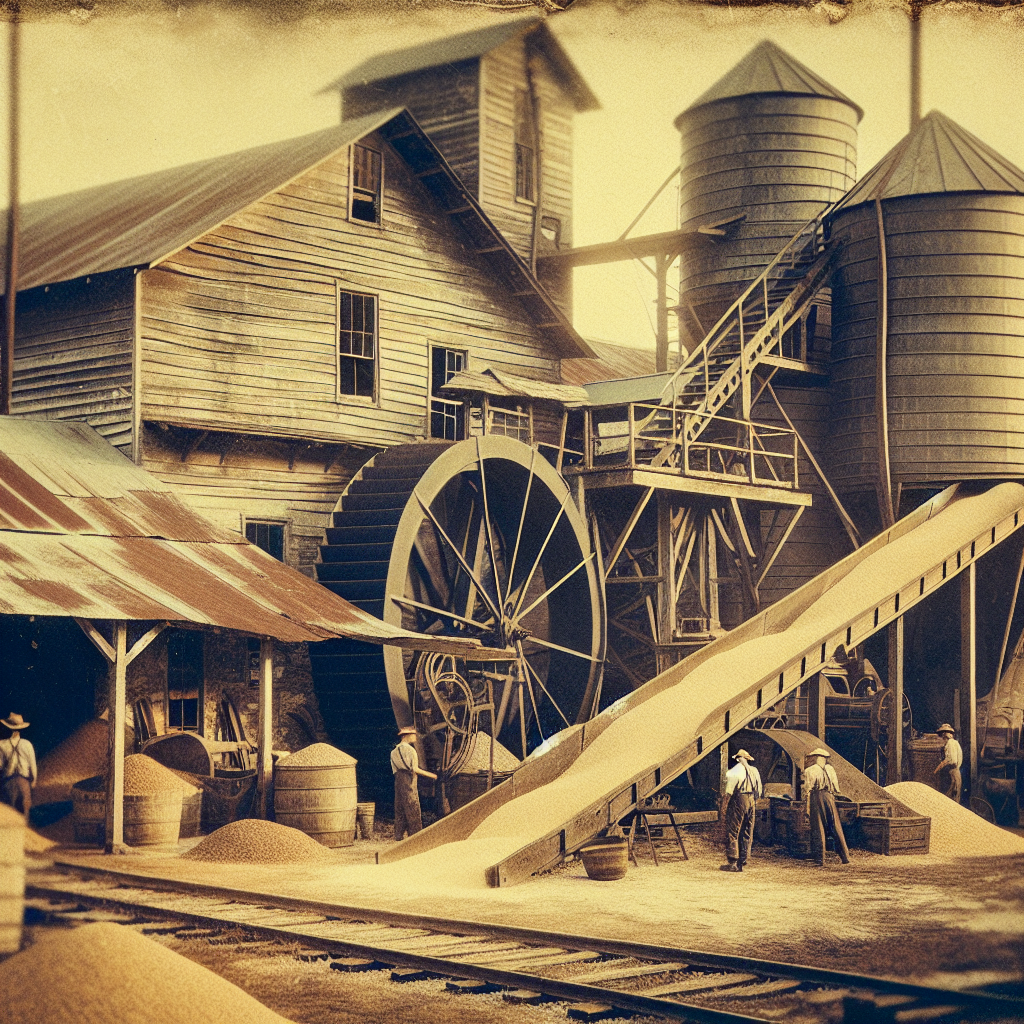
When it comes to grinding grains, selecting the right type can significantly affect both the flavor and nutritional value of your final product. The most common types of grain for grinding include wheat, corn, rice, and oats. Each of these grains brings its own unique qualities to the table, making them suitable for various culinary applications. For instance, wheat is often chosen for baking due to its gluten content, while corn is ideal for making polenta or cornmeal.
Understanding the characteristics of these grains is crucial for anyone looking to grind their own flour or meal at home. A common mistake many make is assuming that all grains can be ground in the same way or yield similar results. This article will guide you through the different types of grain for grinding, their specific uses, and what to consider when grinding them.
Wheat: The Versatile Staple
Wheat is arguably the most popular grain for grinding, primarily due to its versatility. Different varieties of wheat—such as hard red, soft white, and durum—offer various protein levels and gluten content, which are essential for baking. Hard wheat is preferred for bread-making due to its higher gluten content, while soft wheat is ideal for pastries and cakes.
When grinding wheat, it’s vital to choose the correct type based on your intended use. Many home bakers make the mistake of using all-purpose flour instead of whole wheat for healthier options, which can lead to disappointing results in terms of texture and flavor. Additionally, the freshness of the grain is crucial; freshly ground wheat flour retains more nutrients and flavor than store-bought options.

Corn: A Flavorful Alternative
Corn can be ground into meal or flour, offering a distinct flavor that enhances various dishes. The two primary types of corn used for grinding are yellow and white corn, each providing different taste profiles. Yellow corn is often used for cornbread and tortillas, while white corn is typically preferred for polenta and grits.
One common pitfall when working with corn is neglecting the soaking process for masa harina, which can enhance the nutritional value and flavor. Grinding corn without proper preparation can result in a coarser texture that may not yield the desired consistency for recipes. Thus, understanding the right techniques for grinding corn is essential for achieving the best results.
Rice: A Gluten-Free Option
Rice is an excellent gluten-free grain option that can be ground into flour for various recipes, including gluten-free baked goods and thickening agents. Brown rice flour is particularly popular due to its higher fiber content compared to white rice flour, which is more refined.
However, many users may not realize that grinding rice can produce a gritty texture if not done correctly. It’s essential to use a high-quality grain mill and to consider the desired fineness of the flour. Additionally, storing ground rice flour properly is crucial to prevent rancidity, as it can spoil faster than other grain flours.

Oats: Nutrient-Rich and Wholesome
Oats are another fantastic choice for grinding, especially for those looking to add more nutrients to their diet. Ground oats can be utilized in baking and cooking, making them a versatile ingredient in health-conscious recipes. Oat flour is known for its subtle sweetness and can be an excellent substitute for wheat flour in many cases.
One of the main challenges with grinding oats is ensuring they remain fresh and do not develop a rancid flavor over time. It’s also crucial to avoid cross-contamination with gluten-containing grains if you’re preparing food for someone with gluten intolerance. Proper storage and grinding techniques can help maintain the quality and flavor of your oat flour.
Frequently Asked Questions
What are the best grains for grinding at home?
The best grains for grinding at home include wheat, corn, rice, and oats, each offering unique flavors and nutritional benefits.
Can I grind any type of grain?
While many grains can be ground, it’s important to choose the right type for your intended use, as not all grains produce the same results.
How do I store ground grains?
Ground grains should be stored in airtight containers in a cool, dark place to prevent spoilage and maintain freshness.
What is the difference between flour and meal?
Flour is typically finer than meal, which is coarser and retains more of the grain’s texture. The choice between the two depends on the recipe requirements.
Is it worth grinding my own grains?
Grinding your own grains can enhance flavor, improve nutritional value, and ensure freshness compared to store-bought options.
Conclusion
Choosing the right types of grain for grinding is essential for achieving the best culinary results. Whether you’re baking bread, making gluten-free products, or experimenting with unique flavors, understanding the characteristics of each grain will help you make informed decisions. Prioritize freshness, proper grinding techniques, and storage methods to maximize the benefits of your home-ground grains. Start experimenting with different grains today to discover the flavors and textures that best suit your cooking style.